Goat Feed for Beginners: What to Buy and How to Start
Confused about the best feed for goats? This beginner buying guide covers hay, minerals, water, grain, reading feed tags, and what never to feed.

Dr. Elma K. Johnson
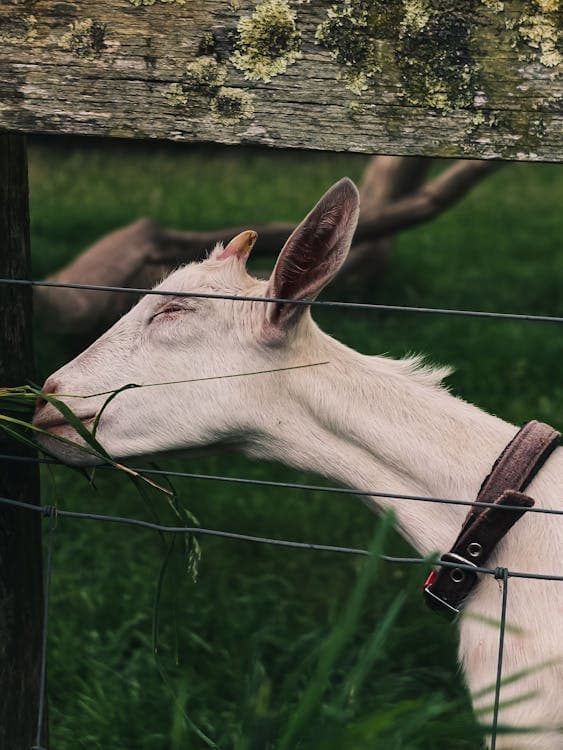
The best feed for goats is built in priority order: unlimited forage (hay or pasture) makes up the bulk of the diet, free-choice loose minerals and clean water come next, and a small amount of grain or pelleted concentrate is added only when an animal's life stage demands it. Get those layers right and most beginners will never need an exotic feed program. Goats are browsing ruminants, and their digestive system is built to run on long-stem fiber, not on grain.
Key takeaways:
- Forage first. Hay or pasture should be the foundation, available free-choice; grain is a supplement, not the main meal.
- Minerals and water are non-negotiable. Offer a goat-specific loose mineral free-choice and keep clean, fresh water available at all times.
- Match concentrate to life stage. Only growing kids, late-pregnant does, and lactating milkers usually need much, if any, grain.
Start With the Diet Building Blocks
Before you buy a single bag of anything, it helps to picture a goat's diet as a stack of layers. The wide base is forage. On top of that sit the supports every goat needs daily. At the very top, narrow and optional, sits concentrate. When beginners run into trouble, it is almost always because the pyramid is upside down: too much grain, not enough fiber.
| Diet building block | What it is | How much | Priority |
|---|---|---|---|
| Forage (hay / pasture / browse) | Grass hay, legume hay, fresh pasture, leaves and brush | Free-choice; roughly 2-4% of body weight in dry matter daily | Foundation (every goat, every day) |
| Loose minerals | Goat-specific free-choice mineral with copper | Free-choice, always available | Essential daily |
| Clean water | Fresh, clean drinking water | Always available; intake rises in heat and during lactation | Essential daily |
| Concentrate (grain / pellets) | Commercial goat feed or grain mix | Small, measured amounts only as needed by life stage | Optional / supplemental |
| Treats | Produce, browse, healthy snacks | Tiny share of the diet | Minor / occasional |
A goat's rumen depends on a steady supply of long-stem fiber to keep its microbial population balanced and the gut moving. Tip the balance toward starchy grain and you risk digestive upsets such as bloat and acidosis. For a fuller picture of how these pieces fit together, see our feeding goats guide.
Forage First: Hay and Pasture
Forage is the single most important purchase you will make. If you have good pasture and browse through the growing season, your goats can get most of what they need straight off the land. When pasture is dormant, snowed under, or simply not available, hay takes its place. Most keepers feed hay year-round to some degree.
Hay Types: A Quick Overview
Hay generally falls into two families, and many keepers use a mix.
- Grass hay (timothy, orchardgrass, brome, bermuda, fescue) is moderate in protein and calcium and makes an excellent everyday forage for wethers, dry does, and maintenance animals. It is harder to over-condition goats on grass hay.
- Legume hay (alfalfa, clover) is higher in protein and calcium. It suits growing kids, late-pregnant does, and milking does that need extra nutrients, but it can be too rich as a sole feed for idle adults or wethers.
| Hay type | Relative protein | Relative calcium | Best suited for |
|---|---|---|---|
| Grass (timothy, orchardgrass, brome) | Lower–moderate | Lower–moderate | Maintenance does, wethers, everyday feeding |
| Legume (alfalfa, clover) | Higher | Higher | Kids, late-gestation does, lactating milkers |
| Grass/legume mix | Moderate | Moderate | A balanced all-around option for mixed herds |
Whatever type you choose, quality matters more than the label. Good hay is green, leafy, and smells sweet. Reject anything that is dusty, musty, moldy, or full of coarse stems and weeds. Moldy hay can make goats seriously ill. For more on feeding hay specifically, see our food guide on whether goats can eat hay.
Minerals and Water: The Daily Essentials
Once forage is sorted, the next two layers are easy to overlook and easy to get right.
Loose Minerals Beat Blocks
Goats have higher requirements for certain minerals, copper in particular, than many other livestock. A goat-formulated mineral supplement fills the gaps that forage alone leaves.
When buying, you will see two formats:
- Loose minerals are a granular mix offered free-choice in a covered mineral feeder. Goats can take in adequate amounts easily, and most experienced keepers prefer this format.
- Mineral blocks are pressed hard so goats must lick them. Because goats have soft tongues compared with cattle, they often cannot consume enough from a hard block to meet their needs.
For most herds, free-choice loose minerals win. Choose a product formulated specifically for goats (not a general sheep-and-goat blend, since sheep formulas restrict copper, which goats actually need). Our dedicated article on goat minerals and supplements walks through copper, selenium, and regional considerations in more detail. Mineral needs vary by region and forage, so your local cooperative extension office or veterinarian is a good source for what your area's soils may be short on.
Water Is a Feed, Too
It is easy to think of water as separate from feeding, but intake is tightly linked to how much a goat eats and how much milk a doe produces. Goats drink more in hot weather and during lactation, and they are famously fussy about dirty or stagnant water. Keep troughs clean, refresh water often, and prevent freezing in winter. For target intakes and trough tips, see our guide to goat water requirements.
Choosing Commercial Feed by Life Stage
This is the layer beginners ask about most: which bag of "goat feed" to buy. The honest answer is that many goats need little or no grain. Concentrate is a tool for animals with high energy and protein demands, not a default meal for every goat.
A few ground rules:
- Introduce or change any concentrate gradually over a week or more to let the rumen adjust.
- Feed measured amounts by weight, not by the scoop, and split larger rations into two feedings.
- Match the feed type to the job. A pelleted complete feed, a textured (sweet) feed, and a fortified pellet are all common; pick one formulated for the class of goat you are feeding.
| Life stage / class | Typical concentrate need | Notes |
|---|---|---|
| Maintenance does, wethers | Little to none | Good forage and minerals usually suffice |
| Growing kids (post-weaning) | Small, steady amount | Supports frame and muscle growth |
| Late-gestation does | Modest, increasing toward kidding | Supports fetal growth; avoid sudden large amounts |
| Lactating / milking does | Moderate, scaled to milk output | Often the highest grain need in the herd |
| Bucks (outside breeding season) | Little to none | Watch for urinary issues in males on high grain |
A special caution for male goats: wethers and bucks fed too much grain, with the wrong calcium-to-phosphorus balance, are prone to urinary calculi (stones). Keeping males on a forage-based diet with appropriate minerals is the safest approach. When grain is genuinely needed, you can keep costs reasonable without cutting corners; our feeding goats on a budget article covers practical ways to stretch a feed bill.
How to Read a Feed Tag
Every bag of commercial feed carries a guaranteed analysis and ingredient list. Learning to read it takes the guesswork out of buying.
Look for these lines:
- Crude protein (%) – the minimum protein guaranteed. Higher suits growing or milking animals; lower suits maintenance.
- Crude fat (%) – an energy indicator; usually a minimum.
- Crude fiber (%) – listed as a maximum. Remember the bag is a supplement; the real fiber comes from your hay.
- Calcium and phosphorus – shown as ranges. For male goats especially, a balanced ratio (calcium at least as high as phosphorus) helps reduce urinary stone risk.
- Copper – confirm the feed is made for goats; sheep-safe products deliberately limit copper that goats need.
- Medicated statement – some kid feeds include a coccidiostat. If a feed is medicated, the tag names the drug and its purpose. Use medicated feeds intentionally and ask your veterinarian if you are unsure.
Also scan the ingredient list and feeding directions. The directions give the manufacturer's suggested amounts by body weight and class, which is a sensible starting point you can adjust based on body condition.
What NOT to Feed Goats
Knowing what to skip is as important as knowing what to buy. Avoid these:
- Moldy or spoiled hay, feed, or produce – a real poisoning and digestive risk.
- Large or sudden amounts of grain – the fast track to bloat and acidosis.
- Chocolate, caffeine, and other human junk foods.
- Avocado – considered toxic to goats.
- Lawn clippings and garden waste of unknown origin – may contain toxic plants or wilted material that ferments quickly.
- Sheep-formulated minerals as the goat's main mineral – they restrict copper that goats require.
- Anything containing animal byproducts or meat – goats are herbivores and should not be fed meat or dog food.
Many ornamental and wild plants are dangerous as well. Before turning goats loose on new ground, review our list of toxic plants for goats. When you are not sure whether a specific item is safe, check our food guides or ask your veterinarian rather than guessing.
A Simple Starter Plan
If you are bringing home your first goats, you do not need a complicated setup. A workable beginner plan looks like this:
- Buy good hay in the quantity your goats will eat free-choice, matching the type to their class (grass hay for maintenance animals, some legume for growers and milkers).
- Set up a covered loose-mineral feeder with a goat-specific mineral and keep it filled.
- Provide constant clean water in a container you can keep clean and ice-free.
- Add concentrate only if you have growing kids, late-pregnant does, or milkers, and introduce it slowly in measured amounts.
- Watch body condition and adjust. Ribs you can feel but not see is a common healthy target for many goats.
Build from that base and you will avoid most beginner feeding mistakes.
Frequently Asked Questions
What is the best feed for goats for beginners?
For most beginners, the best feed is simply good-quality grass hay free-choice, a goat-specific loose mineral, and constant clean water. Grain or pelleted concentrate is added only for kids, late-pregnant does, and milkers, and even then in small, measured amounts. Forage should always be the foundation.
Do goats really need grain every day?
No. Many goats, including dry does, wethers, and bucks outside breeding season, do well on forage and minerals alone. Daily grain is mainly for animals with high energy demands, such as fast-growing kids and milking does. Overfeeding grain causes more health problems than feeding none.
Are loose minerals better than mineral blocks for goats?
In most cases, yes. Goats have soft tongues and often cannot lick enough from a hard pressed block to meet their needs, especially for copper. A goat-specific loose mineral offered free-choice lets them consume what they require more reliably.
How much hay does a goat eat per day?
As a rough guide, goats eat in the range of 2-4% of their body weight in dry matter daily, with most of that coming from forage. Actual intake varies with size, breed, weather, and whether a doe is pregnant or milking. Offering hay free-choice and watching for waste is the simplest approach.
Can I feed goats and sheep the same minerals?
It is not ideal. Sheep are sensitive to copper, so combined sheep-and-goat or sheep-only minerals deliberately limit copper, which goats actually need. If you keep both species, talk with your veterinarian or extension office about a safe management plan rather than defaulting to a sheep formula.
Final Thoughts
Feeding goats well is less about finding one magic bag and more about getting the layers in the right order: forage as the foundation, minerals and water as daily essentials, and concentrate as a targeted supplement for the animals that genuinely need it. Buy quality hay, offer free-choice goat minerals, keep clean water in front of your herd, and read the feed tag before you reach for grain. Pair that with regular checks of body condition, and adjust as your goats' needs change through the seasons and life stages. When questions come up about a specific feed, mineral level, or medicated product, your veterinarian and local cooperative extension office are the most reliable guides for your particular herd and region.

About Dr. Elma K. Johnson
Expert farmers and veterinarians with over 20 years of experience in goat farming and animal husbandry.
Related Articles
How to Pasteurize Goat Milk at Home: Safe Methods Explained
Learn how to pasteurize goat milk at home with two proven methods, exact temperatures and times, equipment, fast-cooling steps, and safe storage tips.