Best Goat Breeds for Meat Production: Top Breeds Ranked
The best goat breeds for meat ranked by growth rate, hardiness, and parasite resistance. Compare Boer, Kiko, Spanish, Savanna, and more to choose your herd.

Dr. Elma K. Johnson
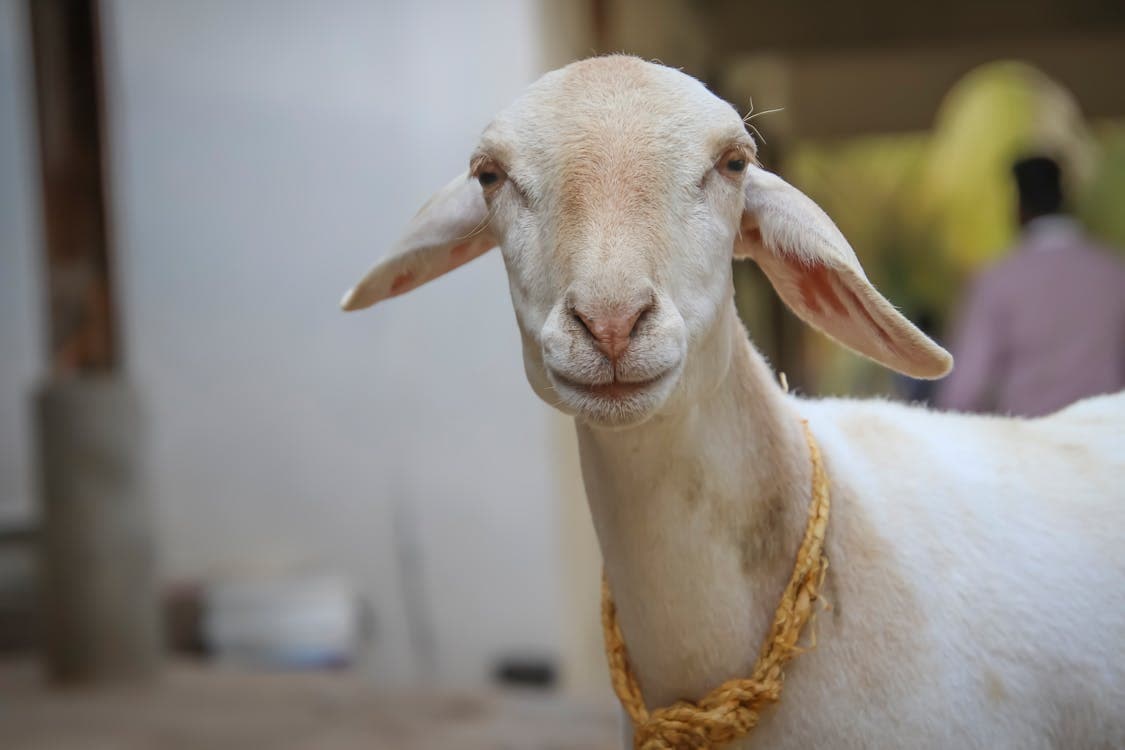
The best goat breeds for meat are the Boer, Kiko, Spanish, Savanna, Kalahari Red, and Myotonic (fainting) goat, with the Boer leading on raw growth rate and the Kiko and Spanish winning on hardiness and parasite resistance. The right choice depends on your climate, how much hands-on management you want, and whether you sell finished kids or breeding stock. There is no single "best" meat goat for every farm, but there is a best fit for yours.
Key takeaways:
- Boer delivers the fastest weight gain and broadest market demand, but needs more parasite and hoof management than hardy landrace breeds.
- Kiko and Spanish trade a little growth speed for outstanding hardiness, foraging ability, and worm resistance, making them ideal for low-input, pasture-based herds.
- The smartest path for many farms is a crossbred herd that pairs a hardy doe (Kiko or Spanish) with a fast-growing Boer buck.
If you are setting up a meat operation from scratch, read this alongside our full guide on how to raise meat goats, which covers fencing, feeding, and finishing in depth.
How We Ranked the Best Meat Goat Breeds
Profitable meat goat production comes down to a handful of traits. We weighted each breed on the qualities that actually move the needle for a working herd:
- Growth rate and mature weight — how fast kids reach market weight and how much meat the carcass yields.
- Hardiness and adaptability — how well the breed copes with weather extremes, marginal forage, and minimal intervention.
- Parasite resistance — the single biggest health and cost factor in most meat herds, since internal worms drive both losses and dewormer expense.
- Climate suitability — heat tolerance versus cold tolerance, which determines where a breed thrives.
- Temperament — how easy the animals are to handle, fence, and manage day to day.
- Best use — terminal meat production, hardy maternal base, or crossbreeding.
These traits often pull against each other. The breeds that grow the fastest are rarely the most parasite-resistant, and the toughest foragers are rarely the heaviest. Keep that trade-off in mind as you read.
Meat Goat Breed Comparison Table
Here is a side-by-side look at the top meat goat breeds on the traits that matter most. Weight figures are general adult ranges for does and bucks; individual animals and bloodlines vary widely.
| Breed | Typical mature weight (doe / buck) | Growth rate | Hardiness | Parasite resistance | Climate strength | Best use |
|---|---|---|---|---|---|---|
| Boer | ~190–230 / 250–340 lb | Excellent | Moderate | Lower | Warm, dry | Terminal meat sire, fast finishing |
| Kiko | ~100–150 / 250–300 lb | Good | Excellent | Very good | Wet, rugged, variable | Low-input maternal & meat |
| Spanish | ~50–125 / 150–250 lb | Moderate | Excellent | Very good | Hot, arid, brushy | Hardy foragers, brush control |
| Savanna | ~125–200 / 200–250 lb | Very good | Very good | Good | Hot, dry, sunny | Heat-tolerant terminal sire |
| Kalahari Red | ~165–190 / 220–250 lb | Very good | Very good | Good | Hot, arid | Camouflaged meat goat, hot climates |
| Myotonic (Fainting) | ~60–125 / 130–170 lb | Moderate | Very good | Good | Cold-tolerant, humid | Crossing for tender meat, gentle herds |
| Nubian (dual-purpose) | ~135–175 / 175–250 lb | Good | Moderate | Lower | Adaptable | Milk + meat homesteads |
| Black Bengal | ~30–55 / 55–85 lb | Slow but efficient | Excellent | Very good | Hot, humid tropical | Small-scale tropical meat & skins |
Use this as a starting filter, then read the profiles below for the nuance behind each rating.
1. Boer Goat — The Industry Standard for Fast Growth
The Boer goat is the breed most people picture when they think "meat goat," and for good reason. Developed in South Africa specifically for meat, the Boer is built for muscle. Its broad, deep body and heavy hindquarters produce an excellent carcass, and well-fed kids reach market weight faster than almost any other breed.
Growth rate and weight: Boers are the benchmark. Kids gain weight quickly on good feed, and mature bucks commonly run from roughly 250 to well over 300 pounds. This is the breed's headline advantage and the reason it dominates as a terminal sire.
Hardiness: Boers are adaptable but not bulletproof. They tend to do best with decent nutrition and managed pasture. On marginal forage or in wet, worm-heavy conditions they can struggle more than landrace breeds.
Parasite resistance: This is the Boer's weak point. The breed is generally more susceptible to internal parasites than Kiko or Spanish goats, so a solid deworming and pasture-rotation plan matters. Learn the warning signs in our guide on how to identify goat parasites.
Climate suitability: Boers favor warm, dry climates. They cope with heat reasonably well but appreciate dry footing and shelter from prolonged wet.
Temperament: Calm, docile, and easy to handle — one reason they suit beginners. If you are just starting out, also see our best goat breeds for beginners roundup.
Best use: Terminal meat sire and fast finishing. A Boer buck over hardy crossbred does is one of the most popular meat-herd setups in the world.
2. Kiko Goat — The Low-Input Powerhouse
The Kiko goat was developed in New Zealand from feral stock selected hard for survival and growth with minimal intervention. The result is a breed that thrives where Boers fade. If your goal is profit per acre with low labor, the Kiko deserves a serious look.
Growth rate and weight: Kikos grow well — not quite at Boer speed in a feedlot setting, but very competitively on pasture alone, which is where they shine. Bucks commonly reach 250 to 300 pounds.
Hardiness: Outstanding. Kikos were bred to survive rugged, wet New Zealand hill country with little human help. They handle variable conditions, rough terrain, and minimal supplemental feed.
Parasite resistance: Excellent and a major selling point. Kikos generally need less deworming than Boers, which lowers cost and slows the spread of dewormer resistance. Pair good genetics with smart rotation; our how to deworm goats guide covers an integrated approach.
Climate suitability: Very broad. Kikos do especially well in wet and rugged environments that punish softer breeds.
Temperament: Generally hardy and self-sufficient. Maternal instincts are strong — Kiko does kid easily and protect and raise kids with little assistance.
Best use: Low-input maternal base and pasture-based meat production. Many producers run a Kiko doe herd and breed to a Boer buck for the best of both worlds.
3. Spanish Goat — The Ultimate Forager
The Spanish goat is a true landrace breed, descended from animals brought to the Americas centuries ago and shaped by survival rather than show standards. Spanish goats are lean, athletic, and astonishingly self-reliant.
Growth rate and weight: Modest by Boer standards. Spanish goats are smaller and slower-finishing, with does often in the 50 to 125 pound range, but they convert poor forage into meat with remarkable efficiency.
Hardiness: Among the toughest goats available. They tolerate heat, drought, and brushy, marginal land that would not support a more refined breed.
Parasite resistance: Very good. Generations of natural selection have produced strong worm resistance, making them a favorite for low-intervention herds.
Climate suitability: Excellent in hot, arid, and brushy regions. They are exceptional brush-control animals.
Temperament: More flighty and independent than Boers. They need good fencing and a little more patience to handle.
Best use: Hardy foraging stock, brush and weed control, and a maternal or crossbreeding base where toughness beats raw size.
4. Savanna Goat — Heat-Tolerant and White-Coated
The Savanna is another South African meat breed, developed alongside the Boer but selected for a solid white coat and serious heat and drought tolerance. The white coat reflects sunlight, while the dark skin underneath helps protect against intense sun.
Growth rate and weight: Very good. Savannas are well-muscled meat goats that finish nearly on par with Boers and carry strong hindquarter development.
Hardiness: Very good. They were bred to perform in harsh African conditions with limited inputs and are known for fertility and easy kidding.
Parasite resistance: Good — generally better than the Boer, though Kiko and Spanish typically edge them out.
Climate suitability: Excellent in hot, dry, sunny climates. This is the breed's defining strength.
Temperament: Generally calm and manageable, similar to the Boer.
Best use: A heat-tolerant terminal sire and an excellent alternative to the Boer for producers in hot, arid regions.
5. Kalahari Red — Camouflaged and Drought-Hardy
The Kalahari Red is closely related to the Savanna and Boer but carries a distinctive solid red coat. That coloring is more than cosmetic — it provides natural camouflage against predators and resists sunburn, which matters on open range.
Growth rate and weight: Very good. Kalahari Reds are substantial, well-muscled goats that finish well and produce a quality carcass.
Hardiness: Very good. Bred for the harsh, dry conditions of southern Africa, they forage efficiently and need little pampering.
Parasite resistance: Good, with strong overall disease resilience and good mothering ability.
Climate suitability: Excellent in hot, arid environments and open grazing systems.
Temperament: Calm and adaptable, comparable to other African meat breeds.
Best use: Meat production in hot climates and rangeland systems where camouflage and drought tolerance are valuable.
6. Myotonic (Fainting) Goat — Tender Meat and Easy Keeping
The Myotonic goat — better known as the fainting goat — has a genetic condition that causes its muscles to stiffen briefly when startled. That same trait is thought to contribute to heavier muscling and notably tender meat, which is why these goats have a place in serious meat programs as well as on hobby farms.
Growth rate and weight: Moderate. They are smaller and slower-growing than Boers, but heavily muscled for their size with a high meat-to-bone ratio.
Hardiness: Very good. They are healthy, low-maintenance, and adapt well to a range of conditions, including cold and humidity.
Parasite resistance: Good — generally hardier on this front than the Boer.
Climate suitability: Adaptable, with better cold and humidity tolerance than the African breeds.
Temperament: Exceptionally gentle and easy to contain. Because their "fainting" reflex limits jumping and climbing, they are easier to fence than most goats. Compare with our look at why goats jump fences.
Best use: Crossbreeding to add muscling and tenderness, and a calm, manageable option for smaller meat herds.
7. Nubian — The Best Dual-Purpose Meat Goat
The Nubian is primarily a dairy breed, but its large frame and meaty conformation make it the standout dual-purpose choice for homesteaders who want both milk and meat from one herd. Excess Nubian kids and culls finish into a respectable carcass.
Growth rate and weight: Good for a dairy-type breed. Nubians are large goats, and their size translates into more meat than other dairy breeds when used dual-purpose.
Hardiness: Moderate. Like most productive dairy stock, they reward good nutrition and management and are more susceptible to parasites than landrace meat breeds.
Parasite resistance: Lower — manage accordingly with rotation and monitoring.
Climate suitability: Adaptable; their breeding gives them reasonable heat tolerance.
Temperament: Friendly, vocal, and affectionate, which makes them easy to handle and popular on family farms.
Best use: Dual-purpose homesteads that want milk first and meat second from a single, manageable herd.
8. Black Bengal — The Tropical Smallholder's Choice
The Black Bengal is a small breed native to Bangladesh and eastern India, prized across South Asia for both its meat and its high-quality skin. It will not suit a commercial weight-gain operation, but for tropical smallholders it is hard to beat on efficiency.
Growth rate and weight: Slow in absolute terms — this is a small goat — but highly feed-efficient and exceptionally prolific, frequently producing twins and triplets.
Hardiness: Excellent. Black Bengals are famously disease-resistant and thrive on modest, locally available feed.
Parasite resistance: Very good, in line with their reputation for hardiness in hot, humid conditions.
Climate suitability: Excellent in hot, humid tropical climates where larger breeds suffer.
Temperament: Calm and easy to handle in small-flock systems.
Best use: Small-scale tropical meat and skin production where prolificacy and low feed cost matter more than carcass size.
How to Choose the Right Meat Goat Breed for Your Farm
Start with your climate and your management style, then let the breed follow.
Match the breed to your climate
- Hot and arid: Savanna, Kalahari Red, and Spanish goats are purpose-built for sun and drought.
- Wet, rugged, or variable: Kiko goats handle these conditions better than almost anything else.
- Cold or humid: Myotonic goats bring better cold and humidity tolerance.
- Tropical: Black Bengal thrives where heat and humidity defeat larger breeds.
Match the breed to your inputs
If you can provide good pasture, supplemental feed, and active health management, the Boer's growth rate will pay you back. If you want low labor and low cost on marginal land, a hardy landrace breed like the Kiko or Spanish will be more profitable per acre. Run the numbers using our cost to raise 10 goats breakdown before you commit.
Consider crossbreeding
For many commercial producers the best answer is not one breed but two. A hardy, parasite-resistant doe herd (Kiko or Spanish) bred to a fast-growing Boer or Savanna buck captures hybrid vigor: tough, easy-keeping mothers that wean fast-finishing kids. This terminal-cross approach is a cornerstone of profitable meat production, and you can dig deeper in our guide to profitable goat breeding.
Don't forget the market
Breed choice should also follow your buyer. Boer and Boer-cross kids have the broadest commercial demand, while ethnic and direct markets may favor specific sizes or finishes. If you plan to market animals yourself, our walkthrough on how to sell goat meat online covers reaching buyers directly.
Feeding and Management Basics for Meat Goats
No breed performs without sound nutrition. Whichever breed you choose, the fundamentals hold:
- Forage first. A goat's rumen depends on long-fiber forage. Good pasture, browse, and quality hay should form the base of the diet, with grain reserved for finishing and pregnant or lactating does.
- Minerals matter. Provide a free-choice goat-specific mineral; copper and selenium needs vary by region, so check with your local cooperative extension office.
- Water always. Clean, constant water drives both intake and growth.
- Parasite control is non-negotiable. Even resistant breeds need a monitoring plan. Use fecal checks and FAMACHA-style assessment rather than calendar deworming to slow resistance.
For the complete feeding picture, see our feeding goats guide. When in doubt about herd health, parasites, or vaccination, work with a veterinarian who knows local conditions.
Frequently Asked Questions
What is the best goat breed for meat?
The Boer is widely considered the best goat breed for meat because of its fast growth, heavy muscling, and broad market demand. However, the Kiko and Spanish goat are often the better choice for low-input, pasture-based farms because they are hardier and far more parasite-resistant. The truly "best" breed depends on your climate, budget, and management style.
Which meat goat grows the fastest?
The Boer grows the fastest of the common meat breeds, reaching market weight more quickly than landrace goats when given good nutrition. Savanna and Kalahari Red goats are close behind and offer better heat tolerance, making them strong alternatives in hot, dry climates.
What is the most profitable meat goat to raise?
Profitability comes from low costs as much as high growth, so the most profitable goat is often a crossbred animal — typically a hardy Kiko or Spanish doe bred to a Boer or Savanna buck. This pairing combines easy-keeping, parasite-resistant mothers with fast-finishing kids, maximizing returns per acre.
Which meat goat breed is most parasite-resistant?
Kiko and Spanish goats are generally the most parasite-resistant meat breeds, a result of decades of natural selection for survival. Boer and Nubian goats tend to be more susceptible, so they require more attentive deworming and pasture rotation.
Can you raise meat goats on pasture alone?
Yes, hardy breeds like the Kiko and Spanish goat are well suited to raising on pasture and browse with minimal supplemental feed, especially on good forage. Supplemental grain helps finish kids faster and supports pregnant or lactating does, but it is not strictly required for these low-input breeds.
Final Thoughts
There is no universal "best" meat goat — there is only the best fit for your land, labor, and market. If you want maximum growth and have the inputs to support it, the Boer is hard to beat. If you want a tough, profitable, low-maintenance herd, the Kiko and Spanish goat will reward you, while the Savanna and Kalahari Red excel in hot climates and the Myotonic and Black Bengal fill valuable niches. For most working farms, a crossbred herd that marries hardy mothers to a fast-growing terminal sire is the smartest path of all. Choose the breed that matches your conditions, then back it with solid forage, mineral, and parasite management — that combination, more than any single breed, is what builds a productive meat herd.

About Dr. Elma K. Johnson
Expert farmers and veterinarians with over 20 years of experience in goat farming and animal husbandry.
Related Articles
Boer Goat vs Kalahari Red: Meat Breed Comparison
Boer goat vs Kalahari Red compared: appearance, growth rate, muscling, heat and parasite resistance, mothering, and best use. Find the right meat breed.