Goat Care for Beginners: Everything You Need to Know First
New to goats? This goat care for beginners guide covers companions, shelter, fencing, feeding, health, and realistic costs - with simple checklists to follow.

Dr. Elma K. Johnson
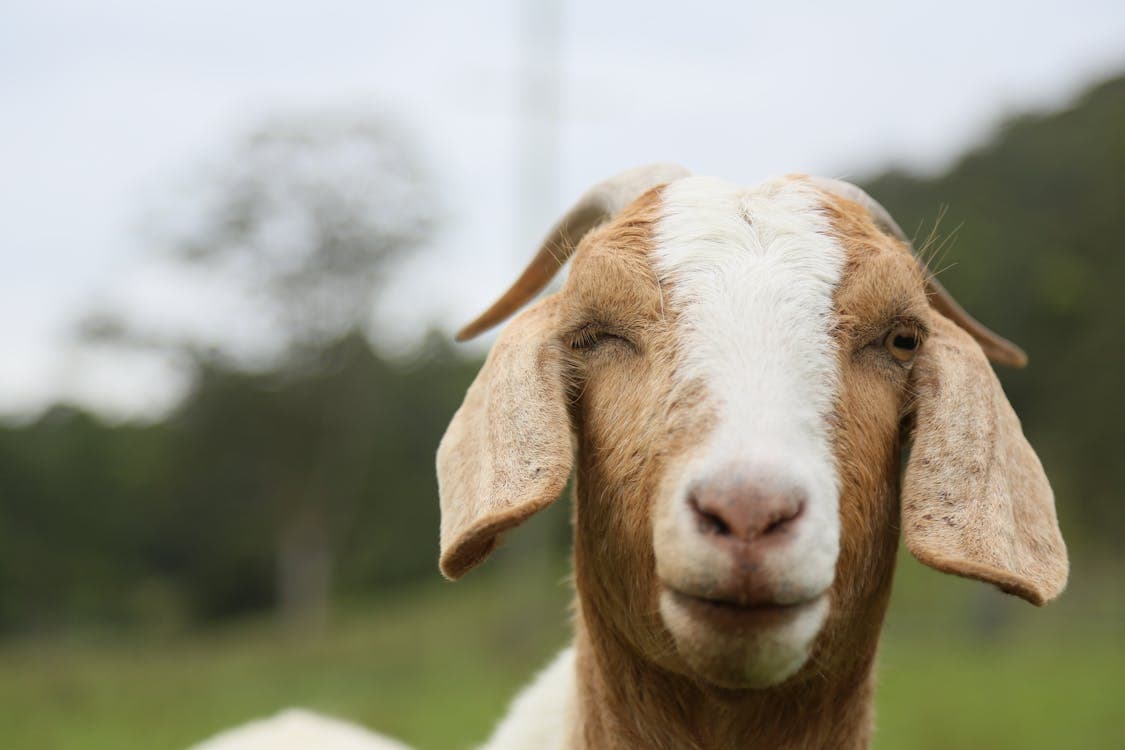
Good goat care for beginners comes down to a handful of non-negotiables: never keep a single goat (they are herd animals and need at least one goat companion), provide dry draft-free shelter and tall escape-proof fencing, feed forage and hay first with free-choice loose minerals and clean water, and build a simple routine of hoof trimming, deworming, and vaccination in partnership with a veterinarian. Get those basics right and the day-to-day work becomes genuinely manageable, even enjoyable.
Key takeaways:
- Goats are herd animals - you need a minimum of two, and one should always be another goat.
- Forage and hay come first. Loose minerals, fresh water, and only limited grain round out the diet; the rumen runs on long-fiber roughage.
- Routine care is mostly prevention: hoof trims every 6-8 weeks, a parasite plan, and a vaccination schedule worked out with your vet.
Bringing home your first goats is exciting, but goats are not a low-effort lawn ornament. They are intelligent, social, athletic animals with specific needs. The good news is that those needs are predictable. Once you understand them, raising healthy goats becomes a steady rhythm rather than a series of emergencies. This guide walks you through every foundation a first-time keeper should have in place, and points you to deeper guides when you are ready to go further. If you want the full long-form version, our ultimate guide to raising goats expands on every section below.
The First Rule: Goats Need Companions
Before you build a shelter or buy a single bale of hay, understand this: you cannot ethically or practically keep just one goat. Goats are herd animals whose entire instinct set is built around living in a group. A lone goat becomes stressed, vocal, depressed, and far more likely to escape, injure itself, or stop eating.
Plan to start with at least two goats, and at least one of them must be another goat. A horse, a dog, or a few chickens are not substitutes for goat companionship, although goats can certainly share space with other livestock. (If you want to run a mixed flock, our guide on raising goats and chickens together covers how to do it safely.)
A few quick rules of thumb on herd makeup:
- Two wethers (castrated males) are often the easiest, lowest-drama choice for absolute beginners who want pets or brush clearers.
- Two does are ideal if you eventually want milk or kids.
- Do not keep an intact buck with does unless you intend to breed, and never keep a buck completely alone - he needs a companion too, usually a wether.
When you add new animals later, introduce them gradually to avoid bullying and injury. Our walkthrough on introducing new goats to the herd explains how to manage the pecking order, and understanding goat behavior helps you read the body language that prevents most conflicts.
Space, Shelter, and Fencing Basics
Goats do not need a fancy barn, but they do need three things from their environment: room to move, protection from weather, and a boundary they cannot defeat. Goats are famous escape artists, so this is where many beginners underestimate the job.
How Much Space Do Goats Need?
Goats are browsers, not lawn mowers - they prefer brush, weeds, and shrubs to short grass. They need room to roam, forage, and play.
| Need | General guideline (standard-size goats) |
|---|---|
| Indoor/shelter space | About 15-20 sq ft per goat |
| Outdoor/exercise space | At least 200+ sq ft per goat; more is always better |
| Stocking on pasture | Varies widely by land quality and rotation - work with local guidance |
Smaller breeds such as Nigerian Dwarf or Pygmy need less space, but even they need enough room to exercise and climb. Crowded goats fight more, parasite loads climb faster, and pasture gets stripped quickly. If you have limited land, rotating goats between paddocks keeps forage healthier and parasites down - see how to rotate goat pastures.
Shelter Requirements
Goats hate being wet and hate drafts, but they tolerate cold surprisingly well when they are dry. Their shelter does not need to be heated in most climates; it needs to be dry, draft-free at goat level, and well ventilated up high.
A simple three-sided structure works in many regions. The open side should face away from prevailing wind and weather. For full plans, see our guides on the three-sided goat shelter, DIY goat shelter plans, and, if you want something more substantial, how to build a goat barn.
Shelter checklist:
- Dry floor with absorbent bedding (straw or wood shavings)
- Good overhead ventilation, no drafts at body level
- Enough room for every goat to lie down out of the weather at once
- A dry, off-the-ground spot to rest (goats love raised platforms)
- Clean, refreshed bedding to keep ammonia and moisture down
Fencing That Actually Holds Goats
There is a saying among keepers: if your fence can hold water, it might hold a goat. Goats climb, push, squeeze, and lean on anything weak. Plan for a fence at least 4 to 5 feet tall with no gaps a head can fit through (a stuck head is a real hazard).
Common beginner-friendly options:
- Woven wire field fencing - sturdy and reliable; see woven wire goat fencing.
- Electric fencing - effective and economical for rotating pasture; see electric fence for goats.
- A combination of woven wire with a hot wire along the top or at nose height to discourage leaning and climbing.
If your land slopes, building a goat fence on a slope covers the extra steps. And if you are wondering why your goats keep getting out, why do goats jump fences explains the behavior and the fixes.
Feeding Fundamentals
Feeding goats correctly is the single biggest factor in keeping them healthy, and it is where beginners most often go wrong by feeding too much grain. The guiding principle: a goat's digestive system is built to run on long-fiber forage, not concentrates.
The Order of Priority
Think of a goat's diet as a pyramid, widest at the bottom:
- Forage and browse first. Pasture, brush, weeds, and shrubs are the natural foundation. Goats are browsers and thrive on variety.
- Hay second. When forage is limited (winter, drought, small lots), good grass hay or a grass/legume mix is the staple. A clean leafy hay is essential year-round for most keepers. See best hay for goats and which types suit your herd.
- Loose minerals, always available. Goats need a free-choice loose goat mineral (not a hard block, which they cannot lick effectively). This covers critical needs like copper and selenium that forage alone often misses. Read goat minerals and supplements before you buy.
- Fresh, clean water at all times. Goats are picky about water and drink less when it is dirty - which can lead to health problems. Refresh it daily and more often in heat. See goat water requirements.
- Grain/concentrates, only as needed and limited. Grain is for animals with higher needs (late pregnancy, milking does, growing kids), and even then in measured amounts. Too much grain causes serious problems like bloat and acidosis.
For the full picture, our feeding goats guide breaks down rations by life stage and season, and seasonal feeding adjustments for goats explains how needs shift through the year.
A Word on Rumen Health and Treats
Goats are ruminants - they ferment fiber in a large first stomach called the rumen, which needs steady long-fiber roughage to function. Sudden diet changes upset that balance, so introduce any new feed gradually over a week or more. Overloading on grain or rich spring grass is a leading cause of bloat, a potentially fatal emergency.
Treats are fine in small amounts, but moderation matters and some foods are genuinely dangerous. Many keepers offer favorites like apples or carrots - in small pieces, as a small fraction of the diet. Always check before offering anything new, and learn the toxic plants for goats that grow in your area, since some common ornamentals and trees can kill.
Routine Health Care
Most goat health is about prevention, not treatment. A consistent routine catches small problems before they become expensive or fatal ones. Three pillars carry most of the load: hoof care, parasite management, and vaccination - all best planned with a veterinarian who knows goats in your region.
A note on health: nothing in this guide replaces a veterinarian. For diagnosis, dosing, and treatment, work with your vet and your local cooperative extension office. They will tailor a plan to your area's specific parasites, mineral deficiencies, and disease risks.
Hoof Trimming
Goat hooves grow continuously and must be trimmed, usually every 6 to 8 weeks, though it varies with terrain and growth rate. Overgrown hooves cause lameness, hoof rot, and joint strain. It is a skill any beginner can learn with practice. Our step-by-step guide on how to trim goat hooves shows exactly what a healthy trim looks like.
Parasite Control (Deworming)
Internal parasites, especially the barber pole worm, are one of the top killers of goats. The modern approach is not to deworm on a fixed calendar, which breeds drug resistance. Instead, deworm based on need - using tools like FAMACHA eye-membrane scoring and fecal testing - in consultation with your vet.
- Learn to spot trouble early with how to identify goat parasites.
- Understand the strategic, resistance-aware approach in how to deworm goats.
- Use pasture rotation as a frontline defense, since it breaks the parasite life cycle.
Vaccination and General Health
The core vaccine most keepers give is CDT (protecting against clostridial diseases and tetanus), typically with a kid series and an annual booster, but your exact schedule should come from your vet based on local risks. A normal goat's rectal temperature runs about 101.5-103.5°F; learning that baseline helps you recognize a sick animal fast.
Keep a stocked goat first aid kit on hand and skim common goat diseases so you can recognize warning signs - off feed, isolation, drooping ears, labored breathing, or a goat grinding its teeth in pain all warrant a closer look and often a call to the vet.
Daily, Weekly, and Seasonal Care Checklists
A predictable routine is what turns goat keeping from chaos into a calm habit. Here is a realistic framework to adapt.
Daily
- Refresh clean water; scrub buckets when needed
- Provide hay/forage; check loose minerals are available
- Quick health glance: is everyone alert, eating, and moving normally?
- Note any goat that is off feed, isolated, limping, or straining
- Spot-clean wet bedding and manure from high-traffic areas
Weekly
- Body condition check - run hands along ribs and spine
- Deeper shelter cleaning and fresh bedding as needed
- Inspect hooves; trim any that are overgrowing
- Check fencing for new gaps, sagging wire, or escape spots
- Restock feed, minerals, and first-aid supplies before they run out
Monthly / Every 6-8 Weeks
- Routine hoof trim for the whole herd
- FAMACHA/parasite assessment per your vet's plan
- Review weights and condition of kids and pregnant does
Seasonal
- Spring: ease onto lush pasture slowly to avoid bloat; refresh deworming plan
- Summer: prioritize shade and extra water; watch for heat stress - see caring for goats in summer
- Fall: stock hay for winter; condition-check before cold weather
- Winter: keep bedding deep and dry, water unfrozen, and shelter draft-free - see preparing goats for winter
Choosing the Right Breed
The breed you pick shapes your whole experience, so match it to your goal and your space rather than to looks alone. Beginners do best starting with hardy, even-tempered breeds.
| Goal | Breeds often suggested for beginners | Why |
|---|---|---|
| Pets / small space | Nigerian Dwarf, Pygmy | Small, friendly, easier to handle and house |
| Milk | Nubian, Alpine, Saanen, Nigerian Dwarf | Reliable, well-documented dairy breeds |
| Meat | Boer, Kiko | Hardy, fast-growing, good foragers |
| Fiber | Angora, Cashmere | Produce mohair/cashmere (more specialized care) |
There is no single "best" goat - only the best goat for your situation. Our roundup of best goat breeds for beginners compares temperament, size, and care needs, and how to choose goat breeds walks through the decision step by step. If milk is your motivation, see best dairy goat breeds; if space is tight, smallest goat breeds is a good place to start.
Realistic Costs and Time Commitment
It helps to go in with clear eyes. Costs vary widely by region, breed, and year, so treat the following as general ranges, not quotes. Always price your local feed, hay, and vet care before committing.
Up-Front (One-Time) Costs
- The goats themselves - pet-quality wethers are usually inexpensive; registered dairy or breeding stock can cost considerably more.
- Shelter and fencing - often the biggest startup expense, ranging from a modest DIY shelter to a full barn build.
- Equipment - feeders, water containers, mineral feeder, hoof trimmers, basic first-aid supplies.
Ongoing Costs
- Hay and feed (your largest recurring cost, spiking in winter and drought)
- Loose minerals and supplements
- Routine vet care, vaccines, and dewormers
- Bedding and small replacements
For a worked example with itemized numbers, see our breakdown of the cost to raise 10 goats.
Time Commitment
Daily chores for a small herd are usually short - feeding, water, and a quick health check often take well under an hour, split morning and evening. The bigger time costs come in bursts: hoof-trimming days, kidding season, fence repairs, and the occasional health issue. Goats also need daily attention, every day of the year, so line up a knowledgeable goat-sitter before you take a trip.
Frequently Asked Questions
Can I keep just one goat if I spend a lot of time with it?
No. Goats are herd animals and a single goat suffers even with attentive human company. The stress of isolation leads to behavioral problems, escape attempts, and poor health. Always keep at least two goats so each has a companion of its own species.
What is the easiest goat for a complete beginner?
Many beginners start with two wethers (castrated males) of a hardy breed, or with Nigerian Dwarf goats if space is limited. Wethers are typically calm, low-maintenance, and have no breeding or milking demands. The "easiest" choice is whichever matches your space, climate, and goals - see our beginner breed guide for comparisons.
How often do goats really need a vet?
Plan for at least routine annual contact for vaccines and herd-health advice, plus calls whenever a goat is sick, injured, or off feed. Much of goat care is preventive and done by you - hoof trims, deworming based on testing, daily checks - but build a relationship with a goat-savvy vet before an emergency, not during one.
Do goats need grain every day?
Most goats do not. Healthy adult wethers and dry does often thrive on quality forage, hay, loose minerals, and water alone. Grain is reserved for higher-need animals like milking does, late-pregnancy does, and growing kids, and even then it is fed in measured, limited amounts to protect the rumen.
How much does it cost to start with goats?
Startup costs vary widely by region and choices, with fencing and shelter usually the largest one-time expenses, followed by the goats and basic equipment. Ongoing, hay and feed are the biggest recurring cost. Price your local hay, feed, and vet care first, and review a detailed example before you commit.
Final Thoughts
Goat care for beginners is far less intimidating once you see the pattern: meet the core needs - companionship, dry shelter, escape-proof fencing, a forage-first diet, and a preventive health routine - and the rest is steady, satisfying maintenance. Start with two healthy goats of a beginner-friendly breed, set up your space before they arrive, and lean on your veterinarian and local cooperative extension office whenever you are unsure.
Take it one system at a time. Get the fence right, get the feeding right, build the routine, and you will be a confident keeper sooner than you expect. When you are ready to go deeper, the ultimate guide to raising goats ties all of these threads together.

About Dr. Elma K. Johnson
Expert farmers and veterinarians with over 20 years of experience in goat farming and animal husbandry.
Related Articles

25 Essential Goat Farming Supplies Every Beginner Needs in 2025
Cut through the clutter with a 2025-ready checklist of goat farming supplies—housing, fencing, feeding, health care, and kidding essentials for new farmers.