Goat Pneumonia: Symptoms, Treatment, and Prevention
Learn the key goat pneumonia symptoms, why it's a deadly emergency, how vets treat it, and the ventilation, stress, and parasite steps that prevent it.

Dr. Elma K. Johnson
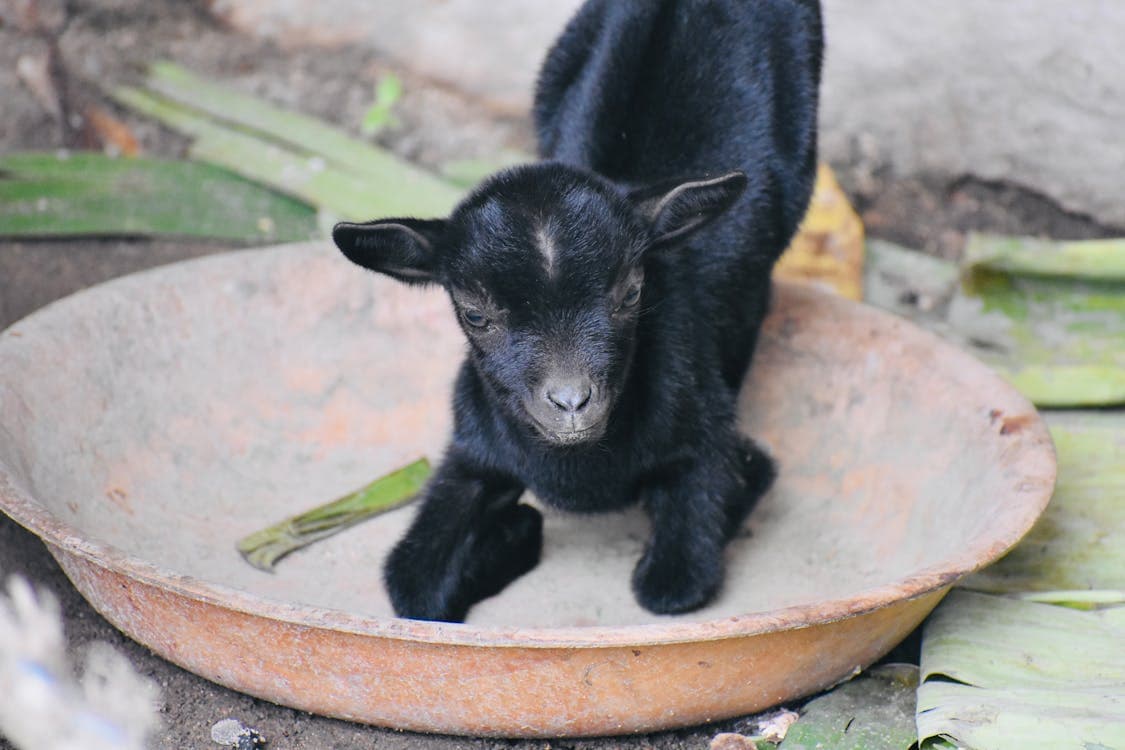
The most common goat pneumonia symptoms are fever, rapid or labored breathing, coughing, nasal discharge, going off feed, and lethargy, and because pneumonia is one of the leading causes of goat death, any goat showing these signs needs a veterinarian fast. Pneumonia is an inflammation of the lungs, usually triggered by a mix of stress, sudden weather changes, poor ventilation, and bacteria such as Pasteurella and Mannheimia. Caught early, many goats recover well; left a day too long, the same case can turn fatal.
Key takeaways:
- Watch for the cluster of signs together: high fever, fast or labored breathing, cough, snotty nose, off feed, and dullness. One or two on their own can have other causes, but together they point hard at pneumonia.
- Pneumonia is urgent. Lung damage and death can happen quickly, so call your veterinarian at the first strong suspicion rather than waiting to "see how it goes."
- Treatment is a work-with-your-vet job (prescription antibiotics, anti-inflammatories, supportive care), and prevention comes down to ventilation, low stress, parasite control, and vaccination where appropriate.
A note before you read on: This article describes general goat-husbandry knowledge used by experienced keepers. It is not a substitute for veterinary care. Pneumonia kills goats quickly, so always consult a veterinarian for diagnosis, antibiotic selection, and dosing. Treat any medication guidance here as "work with your vet."
Why Goat Pneumonia Is So Dangerous
Pneumonia consistently ranks among the leading causes of death in goats of all ages, and it earns that reputation by moving fast. The lungs are where oxygen enters the bloodstream, so once infection and inflammation flood the airways with fluid and pus, a goat's whole body suffers. A goat can look "a little off" in the morning and be in serious respiratory distress by evening.
Two things make it especially dangerous. First, goats are stoic prey animals that hide illness, so by the time symptoms are obvious the disease is often well established. Second, pneumonia rarely has a single cause, it's usually a pile-up of stress, weather, environment, and a bacterial or parasitic component all hitting at once.
The practical upshot: respiratory illness in goats is a "today" problem, not a "wait and watch" one. For a wider view of where pneumonia fits among other herd health threats, see our overview of common goat diseases.
What Causes Pneumonia in Goats
Pneumonia is best understood as a "perfect storm." Healthy goats often carry potentially harmful bacteria in their airways without trouble; problems start when stressors weaken the immune system and let those bacteria take over, or when lungworm and viruses open the door. The most common contributing factors are below.
Stress
Stress is the single biggest trigger behind most pneumonia outbreaks. Transport, weaning, kidding, sudden changes in feed, overcrowding, mixing groups, and showing animals all suppress immune function and let bacteria flourish. Anytime you plan a stressful event, expect respiratory risk to rise. Our notes on introducing new goats to the herd cover lower-stress ways to mix animals.
Sudden Weather Changes
Goats handle steady cold far better than they handle wild swings. A warm afternoon followed by a cold, damp night, or a sharp drop in temperature, stresses the respiratory tract and is a classic pneumonia trigger. Wet, chilly, drafty conditions are worse than dry cold. Seasonal transitions are a high-alert period, which is why preparing goats for winter properly matters so much.
Poor Ventilation
This is the one most owners get backward. In an effort to keep goats "warm," people seal up barns tightly, trapping moisture, ammonia from urine, and airborne bacteria. That stale, humid, ammonia-laden air irritates and inflames the lungs and is a major driver of pneumonia. Goats need fresh air without a direct draft, the goal is air exchange up high while the animals stay out of the wind at body level.
Bacteria: Pasteurella and Mannheimia
The bacteria most often involved in goat pneumonia are Pasteurella multocida and Mannheimia haemolytica (formerly grouped under Pasteurella). These organisms frequently live harmlessly in healthy airways, then turn aggressive when stress or other illness lowers the goat's defenses, causing rapid, severe pneumonia. Mycoplasma species and various respiratory viruses can also play a role.
Lungworm and Parasites
Lungworm larvae migrate through and lodge in the lungs, causing irritation, coughing, and damage that sets the stage for secondary bacterial pneumonia. A heavy general parasite burden also drains a goat's resources and weakens immunity overall. Good parasite management is part of any real pneumonia-prevention plan, see how to identify goat parasites and how to deworm goats.
Goat Pneumonia Symptoms to Watch For
Recognizing pneumonia early is the difference between a routine recovery and a lost goat. Because goats hide illness, you have to look for the signs deliberately, and pay closest attention when several appear together.
The most common goat pneumonia symptoms include:
- Fever. A rectal temperature above the normal range (about 101.5–103.5°F) is one of the earliest and most reliable signs. A thermometer is your best early-warning tool.
- Rapid or labored breathing. Watch the flanks. Fast, shallow, heaving, or open-mouth breathing, or obvious effort to breathe, signals the lungs are struggling.
- Coughing. A persistent, harsh, or wet cough, sometimes worse when the goat gets up and moves.
- Nasal discharge. Discharge that turns from clear and watery to thick, cloudy, yellow, or green is a strong warning sign.
- Going off feed. A goat that stops eating, stops chewing its cud, or loses interest in favorite treats is telling you something is wrong.
- Lethargy and dullness. Standing apart from the herd, drooping ears, hunched posture, and low energy.
Other signs can include watery eyes, grinding teeth (a sign of pain or discomfort), weight loss in longer cases, and sudden death in severe outbreaks, where seemingly healthy animals are found down. The table below sorts what is normal from what should worry you.
| Sign | Normal / Healthy Goat | Possible Pneumonia |
|---|---|---|
| Rectal temperature | About 101.5–103.5°F | Elevated above the normal range (fever) |
| Breathing | Even, quiet, effortless | Fast, shallow, heaving, or open-mouthed |
| Nose | Dry to slightly moist, clean | Thick yellow/green or persistent discharge |
| Cough | None or rare | Frequent, harsh, or wet coughing |
| Appetite / cud | Eager eater, chewing cud | Off feed, cud chewing stops |
| Demeanor | Alert, social, active | Dull, isolated, hunched, weak |
A simple cough alone may have a milder cause, our guide on how to treat goat cough walks through those. But cough plus fever plus labored breathing plus going off feed is a pneumonia picture until your vet says otherwise.
Why Early Action Matters
Pneumonia damages lung tissue, and some of that damage doesn't fully heal. The longer the infection runs unchecked, the more scarring and consolidation builds up in the lungs, and the harder recovery becomes. Goats that survive a delayed, severe case can be left as "poor doers," chronically thin, easily winded, and prone to relapse.
There is also a herd dimension. Several of the organisms involved spread between animals, so one sick goat in a crowded, poorly ventilated pen can become several sick goats within days. Acting on the first case, isolating it and getting a diagnosis, protects the rest of the herd.
The honest rule of thumb most experienced keepers follow: if you suspect pneumonia, call your veterinarian the same day. A goat that is breathing hard, has a high fever, and has gone off feed is not a "monitor overnight" situation.
Treatment: Work With Your Veterinarian
Pneumonia treatment is a veterinary job, and for good reason. The right drug, dose, and duration depend on the cause, the goat's weight and condition, and your region's resistance patterns, and antibiotics for livestock require veterinary direction. Your role is to recognize the problem early, get a professional involved fast, and provide excellent supportive care.
Diagnosis First
Your vet will typically take the goat's temperature, listen to the lungs with a stethoscope, and assess the overall picture. They may recommend additional testing (such as a fecal check for lungworm) to identify contributing causes. An accurate diagnosis matters because pneumonia driven mainly by lungworm needs a different plan than a straight bacterial case.
Antibiotics (Prescribed by Your Vet)
Bacterial pneumonia is treated with antibiotics, but which antibiotic, how much, and for how long must be determined by your veterinarian. Several drug classes are used in goats under veterinary guidance, and using the wrong drug, an inadequate dose, or too short a course can fail the goat and contribute to antibiotic resistance. Two principles your vet will stress:
- Finish the full prescribed course, even after the goat looks better, to fully clear the infection.
- Respect withdrawal times for meat and milk; your vet will tell you how long to hold products after treatment.
Never reach for leftover or borrowed antibiotics, and never guess at a dose. This is the part of goat keeping where amateur improvisation does the most harm.
Anti-Inflammatories and Supportive Care
Your vet may also prescribe an anti-inflammatory to bring down fever, reduce lung inflammation, and get the goat eating again, comfort and appetite are powerful for recovery. Alongside whatever your vet prescribes, supportive care at home makes a real difference:
- Move the goat to a clean, dry, draft-free but well-ventilated space away from the herd.
- Keep it eating and drinking. Offer fresh water, palatable hay, and warm, tempting feeds. A goat that keeps eating recovers far better.
- Provide warmth without sealing off air, deep dry bedding and a windbreak, not a stuffy sealed box.
- Reduce all other stress and minimize handling beyond what treatment requires.
- Recheck temperature daily so you and your vet can track progress.
A well-stocked goat first aid kit, with a reliable thermometer at minimum, means you can take a temperature and give your vet useful information the moment you suspect trouble.
Prevention: Stack the Odds in Your Favor
Because pneumonia is a perfect-storm disease, prevention works by removing as many storm ingredients as you can. No single step is a guarantee, but together they dramatically lower your herd's risk.
Fix the Ventilation
Ventilation is the highest-impact change most herds can make. Aim for steady air exchange that carries moisture, ammonia, and airborne bacteria out, while keeping animals out of direct drafts at body height. If a barn smells of ammonia or feels damp and stuffy, it is a pneumonia risk no matter how warm it is. Open ridge vents, eave gaps, and adjustable openings beat a sealed building every time. Our three-sided goat shelter and DIY goat shelter plans show airy designs that still block wind and rain.
Reduce Stress
Since stress is the biggest trigger, manage it deliberately:
- Make feed changes gradually and keep routines consistent (see our feeding goats guide).
- Avoid overcrowding, give animals room and clean air.
- Time stressful events (transport, weaning, mixing) thoughtfully and watch closely afterward.
- Quarantine new arrivals for two to three weeks before adding them to the herd, both to limit stress on the existing group and to catch incoming illness.
Stay Ahead of the Weather
Sudden, wet, drafty cold is a known pneumonia trigger, so prepare for seasonal swings rather than reacting to them. Provide reliable dry shelter and bedding, manage drafts, and pay extra attention during transition seasons. Our guide to caring for goats in summer and our winter-prep advice both help you smooth out the extremes.
Control Parasites
Because lungworm and heavy parasite loads both feed into pneumonia, parasite management is prevention. Use strategic deworming based on actual evidence of burden rather than calendar guessing, follow how to deworm goats and learn to identify goat parasites so you can act before they weaken the herd's immunity.
Vaccination and Nutrition (Where Applicable)
Vaccines exist for some of the bacteria involved in goat pneumonia (such as certain Mannheimia/Pasteurella products). Whether vaccination makes sense for your herd depends on your region, history, and risk, discuss a vaccination plan with your veterinarian rather than assuming one product fits all. Finally, strong baseline nutrition underpins immunity: good forage, clean water, and proper minerals and supplements help every goat fight off infection in the first place.
Frequently Asked Questions
What are the first signs of pneumonia in goats?
The earliest signs are often a fever (rectal temperature above the normal 101.5–103.5°F range), reduced appetite, and a goat that seems dull or separates from the herd. Faster or harder breathing, coughing, and nasal discharge tend to follow. Because the very first signs are subtle, a thermometer and daily observation are your best early-detection tools.
How fast can pneumonia kill a goat?
Severe pneumonia can become fatal within a day or two of obvious symptoms, and sometimes a goat is found down with little warning, especially in stressful, poorly ventilated conditions. That speed is exactly why pneumonia is treated as an urgent, same-day veterinary matter rather than something to watch over several days.
Can goat pneumonia spread to other goats?
Yes. Several of the bacteria and viruses involved can spread between animals, and shared stressors like crowding and poor air affect the whole group at once. If one goat develops pneumonia, isolate it, get a diagnosis, and watch the rest of the herd closely for fever and breathing changes.
Can a goat recover from pneumonia?
Many goats recover well when treatment starts early and is guided by a veterinarian, with appropriate antibiotics plus good supportive care. The catch is timing: goats treated late can suffer lasting lung damage, become chronic poor doers, or die. Early recognition and prompt veterinary involvement are the biggest factors in a good outcome.
Is it a cough or pneumonia?
A single occasional cough can come from dust, mild irritation, or minor parasites and may be a smaller issue, our guide on how to treat goat cough covers those causes. But a cough combined with fever, labored breathing, nasal discharge, and a goat going off feed points toward pneumonia and warrants a call to your vet. When in doubt, take a temperature and let a professional decide.
Final Thoughts
Pneumonia earns its place among the top killers of goats by combining a fast timeline with vague early signs. Your edge as a keeper is knowing the symptom cluster cold, fever, fast or labored breathing, cough, nasal discharge, off feed, and dullness, and treating it as a same-day emergency rather than waiting it out. The moment several of those line up, take a temperature and call your veterinarian.
Treatment belongs in your vet's hands: the right antibiotic at the right dose, anti-inflammatories where needed, and supportive care to keep the goat eating and breathing easier. But the real win is prevention, fresh-air ventilation without drafts, low stress, smart parasite control, preparation for weather swings, solid nutrition, and a vaccination conversation with your vet. Get those fundamentals right and pneumonia becomes a rare visitor instead of a recurring tragedy in your herd.

About Dr. Elma K. Johnson
Expert farmers and veterinarians with over 20 years of experience in goat farming and animal husbandry.
Related Articles
Goat Diarrhea in Kids and Adults: Causes and How to Stop It
Goat diarrhea treatment guide: spot the causes of scours in kids and adults, stop dangerous dehydration with fluids, and know when it's a vet emergency.