How Much Space Does a Goat Need? Barn and Pasture Sizing
How much space does a goat need? Practical barn, dry-lot, and pasture sizing guidelines by goat size, plus easy tables to plan a healthy, low-stress herd.

Dr. Elma K. Johnson
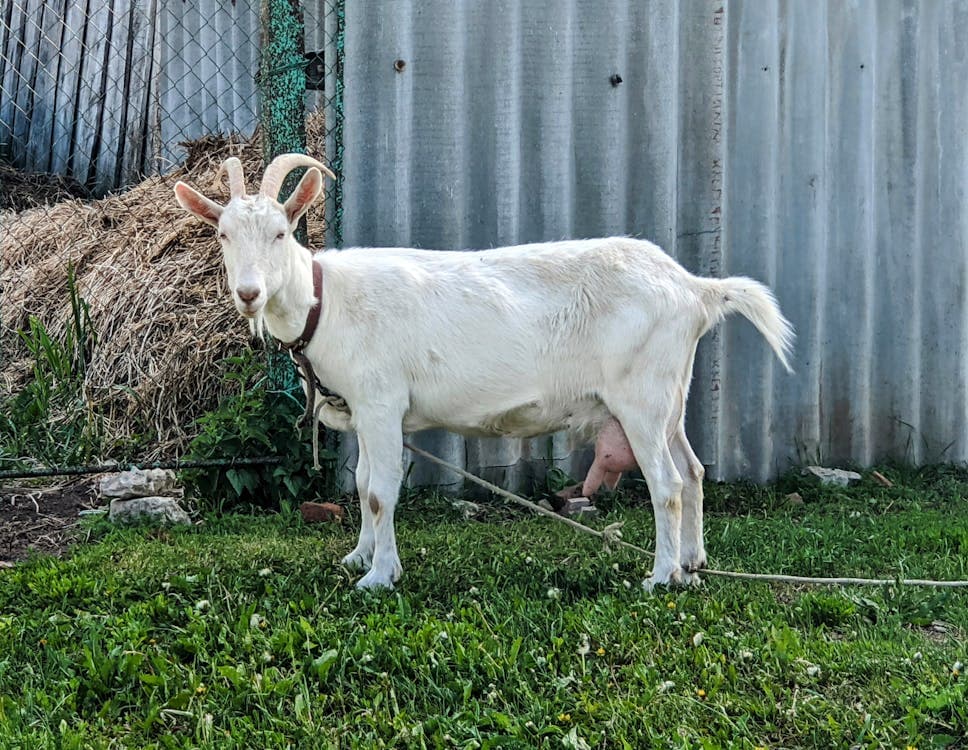
As a general rule, each standard goat needs roughly 15-20 square feet of indoor shelter and at least 200-250 square feet of outdoor exercise space, while miniature breeds get by on about 8-12 square feet indoors and 130-200 square feet outdoors. If you graze your goats, plan on a stocking density of about 6-8 standard goats per acre of good pasture, adjusted down for poorer ground. These are starting points, not hard limits, and more room is almost always better than less.
Key takeaways:
- Indoor shelter, an outdoor dry lot, and grazing acreage are three separate space budgets that you add together.
- Miniature breeds need roughly half the square footage of full-size goats, but they still need real room to move and climb.
- Crowding is one of the most common, and most preventable, causes of disease, bullying, and parasite problems in a herd.
How much space does a goat need comes down to three questions: where do they shelter, where do they exercise, and where do they graze? Each has its own sizing logic, and goat size changes every number. Below you will find practical ranges, sizing tables, and the reasoning behind them.
Why Space Matters More Than People Expect
Goats are social, active animals, and they do poorly in cramped quarters. When space gets tight, a predictable set of problems shows up.
- Disease pressure climbs. Goats packed together share air, bedding, feed, and manure, which raises the risk of respiratory illness and makes biosecurity harder.
- Parasite loads explode. Internal parasites spread through manure, and the more animals concentrated on a small footprint, the faster eggs are picked back up. See our guide to identifying goat parasites.
- Bullying and injuries increase. Goats are intensely hierarchical. In tight pens, lower-ranking goats cannot escape head-butting, get pushed off feed, and lose condition.
- Stress lowers production and immunity. Crowded, stressed goats eat less, milk less, and are more prone to illness.
Giving goats room is one of the cheapest forms of preventive health care you can offer your herd.
Indoor Shelter: Square Footage Per Goat
Indoor shelter is the protected, dry, draft-free space where goats sleep, ride out bad weather, and feel safe from predators. It is the smallest of the three budgets, but the one most people underestimate. The figures below are general guidelines for a bedded loafing area, not counting aisles, feed storage, or milking space.
| Goat type | Indoor shelter per goat | Notes |
|---|---|---|
| Standard breeds (Nubian, Alpine, Saanen, Boer) | 15-20 sq ft | Larger, horned, or pregnant does benefit from the higher end |
| Miniature breeds (Nigerian Dwarf, Pygmy) | 8-12 sq ft | Still need room to lie down without piling |
| Doe with kids | 20-25 sq ft (the pair) | A quiet kidding stall is ideal at freshening |
| Buck (housed separately) | 20-25 sq ft | Bucks are large and often kept apart from does |
These ranges assume goats also have daily access to an outdoor run; goats kept indoors full time need considerably more room. Ceiling height and ventilation matter as much as floor area, because goats are sensitive to ammonia buildup and damp, stale air. In cold climates, a slightly snugger shelter the herd can warm with body heat is fine, as long as it stays well ventilated.
If you are building from scratch, our walkthroughs on how to build a goat barn and these DIY goat shelter plans cover layout and materials in detail. For a simpler open-front option suited to mild climates, see the three-sided goat shelter design.
Outdoor Dry Lot and Exercise Space
Most goats live with some combination of pasture and a dry lot, a fenced, non-grazed exercise yard. Even goats that graze daily benefit from a dry lot for muddy seasons, supplemental feeding, and a place to move around when pasture needs rest.
| Goat type | Minimum outdoor lot per goat | Comfortable target |
|---|---|---|
| Standard breeds | 200-250 sq ft | 400+ sq ft where space allows |
| Miniature breeds | 130-200 sq ft | 250+ sq ft where space allows |
A dry lot can never be too big, only too small. The more room goats have to spread out, the less manure concentrates in any one spot, the easier the footing stays in wet weather, and the fewer fights break out over feeders and shade. If your lot is on the smaller side, scoop manure regularly and provide multiple feeding and watering stations so lower-ranking goats are not cornered.
Enrichment and Climbing: Vertical Space Counts
Square footage on the ground is only part of the story. Goats are natural climbers, and a flat, empty lot bores them no matter how large it is. Bored goats test fences, pick on herd-mates, and develop bad habits.
Add vertical and varied space with:
- Sturdy platforms, stumps, or large rocks to climb and perch on
- Spools, ramps, or a simple raised playground
- Logs and brush piles to investigate and rub against
- Elevated feeders and varied terrain
Enrichment effectively multiplies usable space, since a goat on a platform is not competing for the same ground as the goat below it. It also burns energy, reduces squabbling, and supports better hoof wear and muscle tone.
Pasture Acreage and Stocking Density
Pasture is the largest space budget and the hardest to generalize, because forage quality, rainfall, soil, and management vary enormously from property to property. The numbers below describe good, well-managed pasture in a temperate climate. Drier, brushier, or overgrazed ground supports far fewer animals.
| Pasture quality | Standard goats per acre | Miniature goats per acre |
|---|---|---|
| Lush, well-managed, rotated | 6-8 | 10-14 |
| Average mixed pasture | 4-6 | 8-10 |
| Poor, dry, or brushy ground | 2-3 or fewer | 4-6 or fewer |
Treat these as honest general ranges that vary by region, breed, and year, not precise figures. The single biggest mistake new keepers make is stocking to the optimistic end of the range during the spring flush, then running short of forage by midsummer and overgrazing the land.
Why Rotation Changes the Math
How you manage pasture matters as much as how many acres you have. Continuously grazing one large paddock lets goats overgraze favorites, leave weeds, and re-infect themselves with parasites as they graze close to manure. Dividing pasture into sections and rotating the herd through them does the opposite.
Rotational grazing lets each section rest and regrow, breaks parasite life cycles by moving goats off contaminated ground, and can meaningfully increase how many animals a property supports. Our guide on how to rotate goat pastures explains how to set up paddocks and timing.
Keep in mind that pasture supplements but rarely fully replaces a planned diet. Goats still need quality forage, minerals, and clean water year round; see our feeding goats guide and goat water requirements for the essentials.
Putting It All Together: A Sample Plan
To see how the three budgets stack, imagine a small backyard herd of four standard does with daily pasture access.
- Indoor shelter: about 15-20 sq ft each, so roughly 60-80 sq ft of bedded barn space, plus a seasonal kidding stall.
- Dry lot: at least 200-250 sq ft each, so a yard of around 1,000 sq ft, with platforms for enrichment.
- Pasture: at average quality, four does fit comfortably on roughly one acre when rotated, with room to rest sections.
Scale up for larger herds, down for miniatures, and always round toward more room rather than less. If you expect kids, bucks, or new arrivals, plan that extra space before you need it.
Frequently Asked Questions
How much space does a goat need if I only have a backyard?
Two miniature goats can do reasonably well with about 8-12 sq ft each of shelter and a secure exercise yard of roughly 250-400 sq ft total, plus enrichment to climb on. Goats are herd animals, so always keep at least two, and plan to provide hay and forage since a small yard will not feed them.
Can goats live without pasture at all?
Yes. Many goats are raised on a dry lot with no grazing, provided you supply enough quality hay, browse, minerals, and water, plus a generous, enriched exercise area. Without pasture the dry lot becomes their entire outdoor world, so size it generously and keep it clean to limit parasites.
How many goats can I keep per acre?
On good, well-managed, rotated pasture, a common starting point is about 6-8 standard goats or 10-14 miniatures per acre, dropping sharply on dry, brushy, or overgrazed ground. These ranges vary by region, breed, and rainfall, so start conservatively and adjust as your forage holds up through the season.
Do miniature goats really need less space?
Yes, but not as little as people assume. Miniatures use roughly half the square footage of standard breeds, yet they are just as active and need real room to move, climb, and escape herd-mates. Cutting their space too far causes the same crowding problems as a packed pen of full-size goats.
What are the signs my goats are too crowded?
Watch for constant head-butting, lower-ranking goats losing condition, muddy lots that never dry, rising parasite problems despite deworming, fence testing, and a restless, stressed herd. Any of these suggests you need more space, better enrichment, or fewer animals.
Final Thoughts
Space is one of the few investments in goat keeping that pays you back in nearly every category at once: healthier animals, calmer behavior, lower parasite pressure, and easier daily management. Use the indoor, dry-lot, and pasture ranges above as starting points, adjust for breed size and land quality, and lean toward more room whenever you can. Plan the layout before the herd grows, build in enrichment and rotation from the start, and your goats will reward you with the steady, low-drama health that comes from simply having enough room to be goats.

About Dr. Elma K. Johnson
Expert farmers and veterinarians with over 20 years of experience in goat farming and animal husbandry.
Related Articles
Goat Housing Requirements: Essential Features Every Barn Needs
A practical checklist of goat housing requirements: dry draft-free shelter, space, ventilation, feeders, water, fencing, and predator protection. Plan it right.