How to Tell if a Goat Is in Heat: Signs and Breeding Timing
Learn the signs of goat in heat, including tail flagging, vocalizing, and discharge, plus the heat cycle length and best breeding timing for a doe.

Dr. Elma K. Johnson
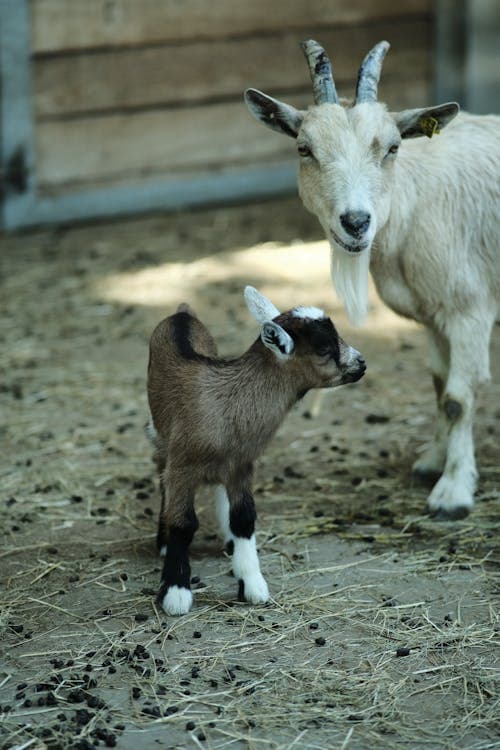
The clearest signs of a goat in heat (estrus) are persistent tail wagging or "flagging," increased and noisy vocalization, a swollen reddened vulva with clear or slightly cloudy mucus discharge, restlessness, and a willingness to stand still when mounted. Most does cycle every 18 to 21 days and stay in standing heat for roughly 12 to 36 hours, which is your window to breed her or expose her to a buck.
Key takeaways:
- Watch for tail flagging, loud bleating, a swollen vulva with discharge, mounting behavior, and a doe who stands to be mounted.
- The heat cycle repeats about every 18 to 21 days; the heat itself usually lasts a day to a day and a half.
- Many goat breeds are seasonal breeders (short-day, fall), while Nigerian Dwarves and some others can breed year-round.
Knowing when your doe is in heat is one of the most useful skills a goat keeper can develop. Miss the window and you wait another three weeks; catch it and you can plan kidding dates, line up the right buck, and keep your breeding program on schedule. This guide walks through every sign of estrus, how the cycle works, and how to time breeding for success.
What "In Heat" Means
A doe is "in heat," or in estrus, when she is fertile and receptive to a buck. This is the only part of her cycle when she will accept breeding and can conceive. Outside of heat, she will refuse the buck and may even drive him off.
Most does reach puberty and have their first heat somewhere between 4 and 12 months of age, depending on breed, nutrition, and the time of year they were born. Reaching puberty does not mean she is ready to breed, though. Many keepers wait until a doe reaches roughly 60 to 70 percent of her expected mature weight before breeding, so her body can carry a pregnancy without being stunted.
Signs of a Goat in Heat
Estrus shows up as a cluster of behavioral and physical changes. A doe rarely shows every sign at once, so learn to read the whole picture rather than waiting for one obvious clue.
Tail Flagging and Wagging
Rapid, repeated side-to-side tail wagging, often called "flagging," is one of the most reliable signs. A doe in heat will flag her tail far more than usual, sometimes almost constantly, especially when she senses or smells a buck. It is her way of spreading scent and signaling receptivity.
Increased and Louder Vocalization
Many does become unusually noisy in heat. A normally quiet doe may bleat loudly and repeatedly for no obvious reason, pace the fence line, and call out toward where bucks are kept. Some keepers describe their does as sounding "lovesick." This change in voice and volume is often the first thing you notice from across the yard.
Swollen Vulva and Discharge
Physically, the vulva often becomes swollen, puffy, and redder than normal. You may also see a discharge of clear, stringy mucus early in heat that can turn slightly cloudy or whitish as heat progresses. Checking the tail and back legs for wet or matted hair is a quick way to spot discharge you might otherwise miss.
Mounting and Standing to Be Mounted
Does in heat will frequently mount one another, and a doe coming into heat may mount her herdmates. The strongest single sign is "standing heat," when a doe holds still and allows herself to be mounted rather than walking away. Standing heat marks the most fertile window and is the best time to breed.
Restlessness and Behavior Changes
A doe in heat is often restless and clingy. She may pace, seem distracted, rub against fences, and be more interested in you or in the buck pen than usual. Some does that normally dislike handling suddenly want attention. If you keep dairy goats, you may also notice a temporary drop in milk yield during heat. A dip in appetite for a day is common too, and it usually rebounds quickly.
You can read more about reading these and other normal goat signals in our guide to understanding goat behavior.
Quick-Reference Signs Table
| Sign | What you'll see | Reliability |
|---|---|---|
| Tail flagging | Constant rapid tail wagging | Very high |
| Vocalization | Loud, repeated, unusual bleating | High |
| Swollen vulva | Puffy, reddened vulva | High |
| Discharge | Clear to cloudy mucus on tail/legs | High |
| Mounting | Mounting herdmates | Moderate to high |
| Standing heat | Stands still to be mounted | Highest (peak fertility) |
| Restlessness | Pacing, clingy, distracted | Moderate |
| Milk/appetite dip | Short drop in yield or appetite | Moderate |
How the Heat Cycle Works
A doe's estrous cycle is the time from the start of one heat to the start of the next. In goats this is typically about 18 to 21 days, though young does and those at the edges of the breeding season can be more variable. If you see heat signs and then nothing, expect the next heat roughly three weeks later.
The heat itself, when she is actually receptive, usually lasts about 12 to 36 hours, with standing heat being a shorter window inside that. Because heat is brief, daily observation matters far more than checking once a week. Keeping a simple breeding calendar of when you spot each heat lets you predict the next one and be ready.
After breeding, if she conceives, she will stop cycling. The absence of an expected heat about three weeks after breeding is an early clue she may be pregnant. For confirmation, see our article on the signs of a pregnant goat.
Seasonal Versus Year-Round Breeders
Many goats are seasonal breeders, sometimes called short-day breeders. As days shorten in late summer and fall, hormones shift and does begin cycling, which is why fall is the classic breeding season for many breeds. This naturally times kidding for spring, when weather is milder and forage is growing.
Not all goats follow this pattern, though:
- Strongly seasonal: Many Swiss-type dairy breeds such as Alpine, Saanen, Toggenburg, and Oberhasli, along with Angora goats, tend to cycle mainly in fall.
- Less seasonal or year-round: Nigerian Dwarf goats, and to some extent Nubians, Boers, and Pygmies, often cycle throughout the year, which is why some breeders get multiple kidding seasons.
Latitude, climate, body condition, and the presence of a buck all influence how strongly a doe sticks to a season. In milder regions and with well-conditioned does, breeding windows are often wider.
Optimal Breeding Timing
Timing breeding to standing heat gives the best conception odds. A widely used approach is to breed once you observe solid heat signs, then again about 12 hours later if she is still standing, to cover the fertile window.
When planning, work backward from when you want kids on the ground. Goat gestation runs about 145 to 155 days (roughly five months), so a fall breeding produces spring kids. Match kidding to a season you can manage, then count back to set your target breeding dates. Our goat kidding guide walks through preparing for the birth itself.
Before breeding, make sure both doe and buck are in good condition: a healthy body weight, current on hoof care and parasite management, and on a solid plane of nutrition. Choosing complementary stock and keeping good records also pays off, as covered in our guide to profitable goat breeding.
Using a Buck Rag
If you do not keep a buck, or you want to encourage and confirm heat, a "buck rag" is a simple, time-tested tool. Rub a cloth on a buck, especially around his head and scent glands, then seal it in a jar or bag to trap the odor. When you suspect a doe is in heat, offer her the rag.
A doe in or near heat will often react strongly, sniffing eagerly, flagging her tail, and showing the "flehmen" lip-curl response. A doe not in heat usually ignores it. The buck odor itself can also help stimulate cycling, a phenomenon known as the "buck effect," which is one reason many breeders move a buck closer to does as breeding season approaches.
Frequently Asked Questions
How often do goats go into heat?
Most does come into heat about every 18 to 21 days during the breeding season. Seasonal breeders may only cycle in fall, while year-round breeders like Nigerian Dwarves can cycle throughout the year. Keeping a calendar of observed heats helps you predict the next one.
How long does a goat stay in heat?
A typical heat lasts roughly 12 to 36 hours, with the receptive "standing heat" window being shorter. Because it is so brief, daily observation is the best way to catch it. Once heat ends, expect the next one about three weeks later if she has not conceived.
How can I tell if my goat is in heat without a buck?
Look for tail flagging, loud and frequent bleating, a swollen reddened vulva, clear or cloudy discharge, restlessness, and mounting among herdmates. A buck rag can confirm it: a doe in heat will sniff it eagerly and flag her tail, while one not in heat tends to ignore it.
At what age does a goat first come into heat?
Many does reach puberty between 4 and 12 months, depending on breed, nutrition, and season. Reaching puberty does not mean she is ready to breed, though. Most keepers wait until a doe is well grown, often around 60 to 70 percent of mature weight, before breeding her.
Do goats lose their appetite or milk when in heat?
It is common for a doe to eat a little less for a day and for dairy does to drop slightly in milk yield during heat. These dips are usually short and rebound quickly. A noticeable, lasting drop that does not recover warrants a closer look or a call to your veterinarian.
Final Thoughts
Reading heat in your does comes down to consistent, daily observation. Once you learn your herd's normal behavior, the flagging tail, the noisy calling, and the swollen vulva become easy to spot. Track each heat on a calendar, time breeding to standing heat, and plan kidding for a season you can manage. With a little practice, and a buck rag in your toolkit, you will catch the window confidently and keep your breeding program right on schedule.

About Dr. Elma K. Johnson
Expert farmers and veterinarians with over 20 years of experience in goat farming and animal husbandry.
Related Articles
Goat Gestation Period: How Long Are Goats Pregnant?
How long is the goat gestation period? Goats are pregnant about 145-155 days. Learn breed variation, stages, due-date math, and prenatal care.