Best Goat Feeders: Hay, Grain & Mineral Feeders That Cut Waste
Compare the best goat feeders: hay racks, slow-feed nets, grain troughs, and mineral feeders. Learn what cuts waste, protects horns, and fits your herd.

Elma K. Johnson
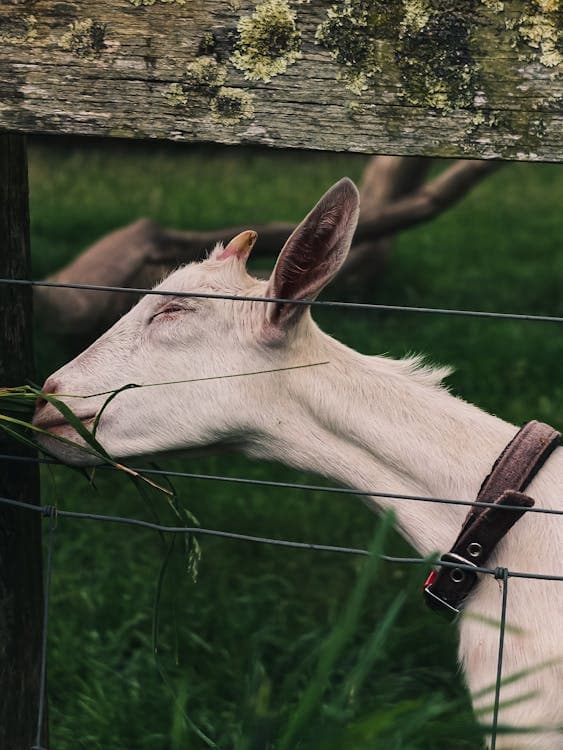
The best goat feeders are a wall-mounted or keyhole-style hay feeder with a catch tray for hay, a hook-over or fence-line trough for grain, and a covered two-compartment feeder for loose minerals. Goats are notorious for wasting feed—they pull hay out, drop it, stand on it, and then refuse to touch it—so the right feeder pays for itself by keeping feed off the ground and feet out of the trough. Most herds need all three feeder types rather than one do-everything unit.
Key takeaways:
- Hay is where most waste happens, so put most of your feeder budget there: small openings, a solid catch tray, and a design goats cannot climb into.
- Hay nets and bags slow consumption but carry real entanglement risk—skip them for horned goats and unsupervised kids.
- Provide enough feeder space that every goat can eat at once, or timid animals will be pushed off their ration.
Goat Feeders Compared at a Glance
Sizes and capacities vary widely between manufacturers, so check the listed dimensions against your herd before you buy.
| Feeder type | Best for | Waste control | Horn safety | Main drawback |
|---|---|---|---|---|
| Wall-mounted hay rack | Small herds, stalls, kidding pens | Good with a tray underneath | Good if bar spacing suits your goats | Limited capacity |
| Slow-feed hay net or bag | Polled or disbudded goats, travel | Very good | Poor—entanglement risk | Unsafe for horned goats and kids |
| Keyhole feeder | Hay wasters and bossy herds | Excellent | Depends on slot size | Bulky; often DIY |
| Hay and grain combo feeder | Medium herds fed in one spot | Very good | Good on most designs | Higher cost; heavy |
| Hook-over grain feeder | Daily grain rations | Good | Excellent | Can be knocked off if not secured |
| Covered mineral feeder | Free-choice loose minerals | Good when kept dry | Excellent | Needs regular cleaning |
| Creep feeder | Growing kids | Good | Good | Useful only part of the year |
Why Goats Waste So Much Feed
Goats are browsers, not grazers. Their instinct is to pick through forage, take the leafiest bits, and leave the rest. In a feeder, that means pulling out a mouthful of hay, dropping most of it while chewing, and reaching back in for more. Once hay hits soiled bedding, most goats will not eat it—and that fussiness is protective, because feed contaminated with manure is a major route for internal parasites.
So a goat feeder has two jobs: limit how much a goat can pull out in one bite, and catch whatever falls. If you are choosing forage as well as feeders, see our guide to the best hay for goats, and feeding goats on a budget covers where else feed dollars leak away.
The Best Hay Feeders for Goats
Wall-mounted hay racks
A wall-mounted hay rack is the simplest starting point for a small herd. It bolts to a barn wall or sturdy fence, holds a few flakes, and keeps forage clean at head height. Look for closely spaced bars or a grid front rather than wide V-shaped slats, which let goats drag out huge mouthfuls.
A bare rack drops everything onto the floor, so choose one with an integrated tray or mount a trough underneath. Racks built for horses often have spacing wide enough for a small goat to push its head through and get stuck; buy one sized for sheep and goats.
Hay bags and slow-feed nets
A hay bag with a small feeding window or a small-mesh slow-feed net makes goats work for each bite, which cuts waste sharply. They are inexpensive, portable, and handy for trailers, shows, and quarantine pens. They also carry the most serious safety caveats of any feeder:
- Horned goats should not use hay nets. Horns catch in mesh, and a panicking goat can injure or strangle itself.
- Kids climb and play in anything. A leg or head through a net is a real risk.
- Collars and nets do not mix. Remove collars or use breakaway types.
- Hang them high and tight. A net that sags as it empties becomes a leg trap.
If you use nets at all, pick the smallest mesh available, reserve them for polled or disbudded adults, and check them daily for holes.
Keyhole feeders
A keyhole feeder makes each goat put its head through a slot—wider at the top, narrower at the neck—to reach the hay. Because the goat has to lift its head to back out, it tends to stay put and chew rather than scatter hay. The dividers also stop dominant goats from sweeping others aside.
Keyhole designs are widely regarded as among the most waste-resistant options. Many are built at home from plywood, though commercial steel versions exist. Slot size has to match your goats, and standard keyholes do not suit goats with wide horns.
Hay and grain combo feeders
A combination feeder puts a hay rack above a trough, so dropped hay lands in the pan and the same unit serves the grain ration. Manufacturers such as Tarter and Sydell make steel versions for sheep and goats, and freestanding models feed from both sides, doubling usable space. For more than a handful of goats, this is often the most practical single purchase. Choose one with a narrow trough or guard bar so goats cannot stand in the pan.
Grain Feeders: Hook-Over and Fence-Line Troughs
Grain should be fed in measured amounts and eaten promptly, so a simple, easy-to-clean trough is the right tool.
A hook-over feeder, such as the plastic and galvanized models from Little Giant, hangs on a fence rail, gate, or stall board and lifts off for washing. These suit small herds and individual feeding—on the milk stand or in separate pens—so each animal gets its intended ration. Secure them with a clip or bolt, because a feeder knocked into the bedding wastes the whole meal.
For larger groups, a fence-line trough feeder mounts along a fence or panel so goats reach through to eat. You can fill it without wading into a pen of pushy goats, and the fence keeps feet and manure out.
For what belongs in the trough, see what grain to feed goats; wethers and bucks need a careful grain plan because of the risk of urinary calculi.
Mineral Feeders
Goats do best with loose minerals offered free-choice, and loose minerals are ruined quickly by rain and humidity. A mineral feeder has one main job: keep the contents dry and clean.
A two-compartment mineral feeder is the standard choice for small herds. The second compartment lets you offer something separately—baking soda, plain salt, or kelp are common. Mount it under cover, at about chest height for your smallest adult, and away from water and hay.
If minerals must be offered outdoors, choose a weatherproof design with a hood or rubber flap that goats push aside with their noses. Clumped, wet mineral gets ignored. Our guide to goat minerals and supplements explains what to put in it.
Creep Feeders for Kids
A creep feeder gives kids access to feed the adults cannot reach, usually through adjustable-width openings that kids slip through and does cannot. Growing kids get a starter ration and good hay without competition.
Look for adjustable bars you can widen as kids grow, a covered trough, and room for several kids at once. You can also create a creep area by setting a panel with kid-sized gaps across a pen corner. See our guide to caring for goat kids for more on young stock.
What to Look for in a Goat Feeder
- Waste reduction. Small openings, a catch tray, and a design that keeps heads inside the feeder matter most.
- Horn safety. Check every opening against your goats' heads and horns. A gap a goat can push into but not pull out of is dangerous.
- Height. Offer hay around head height—low enough that chaff does not rain into eyes, high enough that goats cannot soil it.
- Keeping feet out. Narrow troughs, guard bars, sloped lids, and fence-line mounting all discourage goats from standing in feed.
- Cleanability. Smooth plastic, galvanized steel, and removable pans scrub easily. Avoid deep corners where damp feed molds.
- Durability. Goats rub, lean, and butt. Thin wire and light plastic rarely survive a buck pen.
How Many Feeders Do You Need?
Every goat should be able to eat at the same time. Herds have a firm pecking order, and when space is short, the lowest-ranking animals go without.
A commonly cited guideline is roughly 12 to 16 inches of linear feeder space per adult standard-sized goat—less for miniature breeds, more for horned animals. Treat that as a starting point and watch your herd: if goats are being driven off, add space.
- 2–4 goats: one wall-mounted hay rack with a tray, a hook-over grain feeder per goat or a shared trough, and one mineral feeder.
- 5–10 goats: a double-sided combo feeder or two hay stations placed well apart, plus fence-line troughs.
- Larger herds: several feeding stations spread around the pen so one dominant goat cannot guard them all.
Two smaller feeders placed apart almost always work better than one large one. For how much and how often to fill them, see our goat feeding guide.
Frequently Asked Questions
What is the best hay feeder to stop goats wasting hay?
Keyhole feeders and combination hay-and-grain feeders with a catch trough are generally the most waste-resistant designs, because they limit how much hay a goat can pull out and catch what falls. For a small herd, a wall-mounted rack with tight bar spacing and a tray underneath does a similar job at lower cost.
Are hay nets safe for goats?
Hay nets carry a real entanglement risk. They should not be used with horned goats, and they are risky around kids and goats wearing collars. For polled or disbudded adults, choose small mesh, hang nets high, and inspect them daily.
Do goats need a separate mineral feeder?
Yes. Loose minerals should be available free-choice in their own covered feeder, kept dry and away from hay and water. Mixing minerals into grain prevents each goat from regulating its own intake.
Can I use a horse or cattle feeder for goats?
Sometimes, but check the openings. Horse hay racks often have bar spacing wide enough to trap a goat's head, and cattle troughs are usually low and wide enough for goats to stand in. Feeders designed for sheep and goats are the safer choice.
Final Thoughts
There is no single best goat feeder—there is a best combination for your herd. Spend the most on a hay feeder that limits waste and matches your goats' size and horn status, add simple, cleanable troughs for grain, and give loose minerals a dry, covered feeder of their own. Provide enough space for every goat to eat at once and keep feet out of the feed, and you will cut waste and parasite exposure at the same time.
About Elma K. Johnson
Elma K. Johnson is the pen name used by the Carefree Goats editorial team. Our guides are general educational information for goat keepers, not veterinary advice. Read how we research and write our articles.
Related Articles
Best Treats for Goats: Safe Store-Bought & Natural Options
The best treats for goats, from apples and carrots to store-bought goat treats, sunflower seeds, and lick tubs. Learn how much is safe and what to avoid.