Best Goat Hoof Trimmers: Shears, Rasps & Tools Compared
Find the best goat hoof trimmers for your herd. Compare bypass shears, rasps, hoof knives, and electric tools, with a starter kit and maintenance tips.

Elma K. Johnson
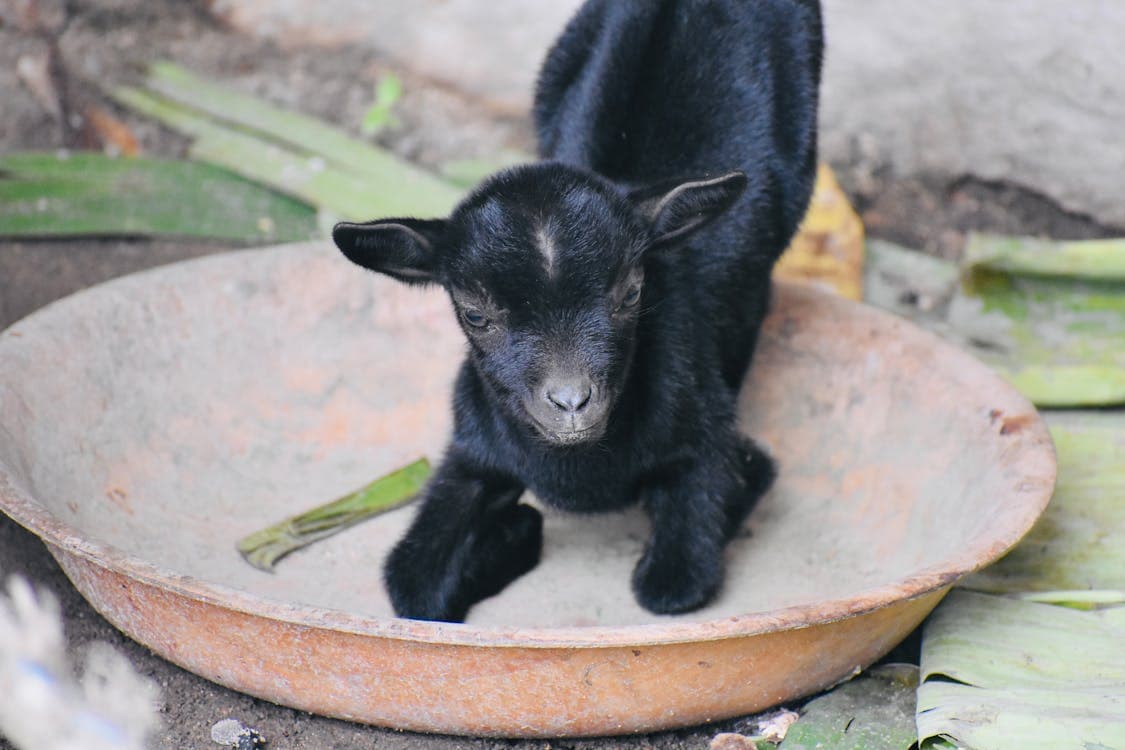
The best goat hoof trimmers for most keepers are sharp bypass hoof shears with hardened steel blades, a reliable spring and lock, and handles that fit your hand, backed up by a hoof rasp or plane for leveling. Shears do the bulk of the work on a routine trim; rasps, hoof knives, and picks handle the finishing and cleaning. Electric trimming discs exist, but they remove hoof very fast and are best left to experienced hands.
Key takeaways:
- A good pair of bypass shears plus a hoof pick will handle the majority of routine trims on a small herd.
- Fit and sharpness matter more than price: dull or oversized shears crush the hoof wall and tire your hand.
- Clean and disinfect tools between goats, and keep blood-stop powder within reach every time you trim.
Goat Hoof Trimming Tools Compared
| Tool | What it does | Skill level | Best for |
|---|---|---|---|
| Straight-blade bypass hoof shears | Cuts overgrown wall and trims heel | Beginner | Routine trims on most goats |
| Serrated-blade hoof shears | Grips and cuts hard, dry hoof | Beginner | Hard hooves, dry climates, bucks |
| Hoof rasp or plane | Levels the sole and smooths edges | Beginner | Finishing, small corrections |
| Hoof knife | Pares sole and opens pockets | Intermediate | Trimming out separated wall |
| Electric trimming disc | Grinds hoof rapidly | Advanced | Large herds, very hard hooves |
| Hoof pick with brush | Cleans out packed dirt and manure | Beginner | Every trim, before cutting |
This guide covers what to buy. For the technique itself, including how much to take off and how to recognize a balanced foot, follow our step-by-step guide on how to trim goat hooves.
Bypass Hoof Shears: The Core Tool
Hoof shears, also sold as hoof trimmers or foot rot shears, look like heavy garden pruners with narrow, pointed blades. In a bypass design the two blades pass each other like scissors, which gives a clean slicing cut through the hoof wall. The pointed tips let you work into the gap between the toes and under folded-over wall.
Straight vs. serrated blades
Straight (smooth) blades give the cleanest cut and are the easiest to sharpen at home with a small stone or file. They are the standard choice for well-maintained hooves trimmed on a regular schedule.
Serrated blades have fine teeth along one edge that grip the hoof so it does not slide out of the jaws. That grip helps on hard, dry hooves and on thick overgrowth. The drawbacks are a slightly rougher cut and teeth that are difficult to sharpen properly, so many keepers replace serrated shears or blades rather than resharpening them.
If you only buy one pair, straight-blade shears suit most herds. Keepers in arid regions, or those with bucks and wethers whose hooves get very hard, often keep a serrated pair as well.
Brands worth knowing
Two names come up often among goat and sheep keepers. ARS, a Japanese cutting-tool maker, produces compact trimmers with hard-chromed high-carbon blades that are popular for hoof work; search for ARS hoof trimmers. Zenport sells a similar style at a lower price point; see Zenport hoof trimmers. Many farm-supply brands also offer traditional long-handled foot rot shears.
Hoof Rasps and Planes
After the shears have removed the excess wall, a rasp or plane levels the bottom of the foot so the goat stands evenly. A rasp is a coarse file, usually with a rough side and a finer side. A hoof plane is a small handheld tool with a replaceable, cheese-grater-style blade, similar to a woodworking shaping tool, and it removes thin, controlled shavings.
Both are forgiving because they take off a little at a time. Look for a hoof plane with replaceable blades, because the blades dull and clog and are not practical to sharpen.
Hoof Knives
A hoof knife has a curved blade with a hooked tip. It is used to pare the sole, trim ragged heel tissue, and open up pockets where the wall has separated and packed with dirt.
Hoof knives are sharp and are used with a pulling motion close to your other hand, so they carry a real risk of cutting you or the goat. Beginners can do a complete routine trim without one. If you find deep pockets, foul-smelling tissue, or anything that looks infected, read our guide to goat hoof rot treatment and involve your veterinarian rather than cutting deeper.
Electric Trimming Discs: Use Strong Caution
Abrasive or chain-style trimming discs that mount on an angle grinder, and purpose-built electric hoof trimming kits, are marketed for sheep and goats. In skilled hands on a large herd they save time and hand strain. They also bring serious hazards:
- They remove hoof extremely fast. A moment of inattention can take a foot down to sensitive, bleeding tissue.
- They generate heat and dust. Friction can burn the hoof, and fine dust calls for eye protection and a dust mask.
- A moving goat and a spinning disc are a dangerous combination for the animal and the handler. Solid restraint is essential.
For a backyard herd, hand tools are safer, quieter, and entirely adequate. If you decide a power tool is justified, learn from an experienced trimmer or your veterinarian first, follow the manufacturer's safety instructions, and wear eye protection and cut-resistant gloves.
Supporting Tools You Will Actually Use
Hoof pick
You cannot trim what you cannot see. A hoof pick, ideally with a stiff brush on the back, clears mud and manure so the growth lines and sole are visible.
Blood-stop powder
Even careful trimmers occasionally nick the quick. Keep blood-stop powder or styptic powder open and within arm's reach before you start. Press it onto the bleeding spot with firm pressure. Bleeding that does not slow within several minutes, or a deep cut, warrants a call to your vet. Blood-stop powder is also a standard item in a goat first aid kit.
Gloves
Snug, cut-resistant work gloves protect against the shear tips and rasp teeth while preserving grip. At minimum, glove the hand that holds the hoof.
A milking or trimming stand
A stand with a head gate raises the goat to a comfortable working height and keeps her still while she eats from the feeder. It protects your back and makes trimming a one-person job. A goat milking and trimming stand serves both purposes; our overview of goat milking equipment explains what to look for in a stand.
What to Look For When Buying Hoof Shears
Blade steel
Hardened high-carbon steel takes and holds a sharp edge well but will rust if put away wet. Stainless steel resists rust and is easier to care for, though it may need touching up more often. Either works if you maintain it; avoid soft, unbranded blades that fold or chip on hard hoof.
Spring and lock
The spring reopens the blades after each cut, and you will make dozens of cuts per goat. A weak or exposed spring that pops out is a constant annoyance. Check that the lock can be operated with one hand and holds the blades closed securely in a pocket or bucket.
Handle size and grip
Many hoof shears are built for large hands. If your hands are small, look for compact models with a shorter handle spread, so you can close the blades fully without straining. Cushioned or non-slip grips help when your hands are wet or cold.
Replaceable parts
Better trimmers offer replacement blades and springs. Being able to swap a worn spring or a chipped blade extends the life of the tool considerably and is a reasonable sign of overall build quality.
Cleaning, Disinfecting, and Sharpening
Hoof tools can carry the bacteria involved in foot scald and hoof rot from one goat to the next, so maintenance is a herd health issue as much as a tool-care one.
- Brush off debris after each goat with a stiff brush.
- Disinfect between animals. Dip or wipe blades with a suitable disinfectant, such as a chlorhexidine solution or isopropyl alcohol, following label directions. Trim goats with known hoof problems last.
- Wash and dry thoroughly at the end of the session.
- Oil the pivot and blades lightly to prevent rust.
- Sharpen straight blades when cuts start to crush rather than slice. A small diamond sharpening file run along the factory bevel is usually enough.
A Sensible Starter Kit
For a first-time owner with a handful of goats, this list covers routine care without overspending:
- One pair of straight-blade bypass hoof shears that fits your hand
- A hoof pick with brush
- A hoof plane or small rasp
- Blood-stop powder
- Cut-resistant gloves
- A stiff brush and disinfectant for cleaning tools
- A milking or trimming stand, or a helper and a secure tie point
Add a hoof knife and serrated shears later if your goats' feet call for them. If you are still assembling your basics, our list of essential goat farming supplies and our goat care for beginners guide put hoof tools in the context of everything else a new herd needs.
Frequently Asked Questions
Are serrated or straight hoof shears better?
Straight blades cut more cleanly and are simple to sharpen, so they suit most routine trimming. Serrated blades grip hard, dry hoof better but are difficult to resharpen. Many keepers start with straight blades and add a serrated pair only if they need it.
How often do goat hooves need trimming?
It varies with the individual goat, the terrain, diet, and climate. Many keepers check feet every four to eight weeks and trim as needed. Goats on soft, wet ground usually need more frequent attention than those on rocky, dry ground.
What should I do if I cut too deep and the hoof bleeds?
Stay calm, apply blood-stop powder with firm pressure, and keep the goat on clean, dry footing afterward. Minor nicks typically stop quickly. Call your veterinarian if bleeding persists, the cut is deep, or the goat is lame in the following days, and ask about tetanus protection.
Final Thoughts
Choose sharp bypass shears that fit your hand, add a pick, a rasp or plane, gloves, and blood-stop powder, and keep everything clean between goats. Regular, modest trims with simple tools prevent most of the hoof problems that send keepers looking for stronger equipment. Persistent lameness, swelling, heat, or a foul smell in the foot is a reason to consult your veterinarian, since many common goat diseases first show up as a change in how a goat walks.

About Elma K. Johnson
Elma K. Johnson is the pen name used by the Carefree Goats editorial team. Our guides are general educational information for goat keepers, not veterinary advice. Read how we research and write our articles.
Related Articles
Goat Lifespan: How Long Do Goats Live and What Affects It
How long do goats live? Most goats reach 10-15 years. Learn how breed, sex, and care affect goat lifespan, plus practical tips to help yours live longer.