Nubian vs LaMancha Goat: Which Dairy Breed Is Right for You
Nubian vs LaMancha goat compared: milk volume, butterfat, ears, noise, climate, and temperament. Find the right dairy breed for your homestead today.

Dr. Elma K. Johnson
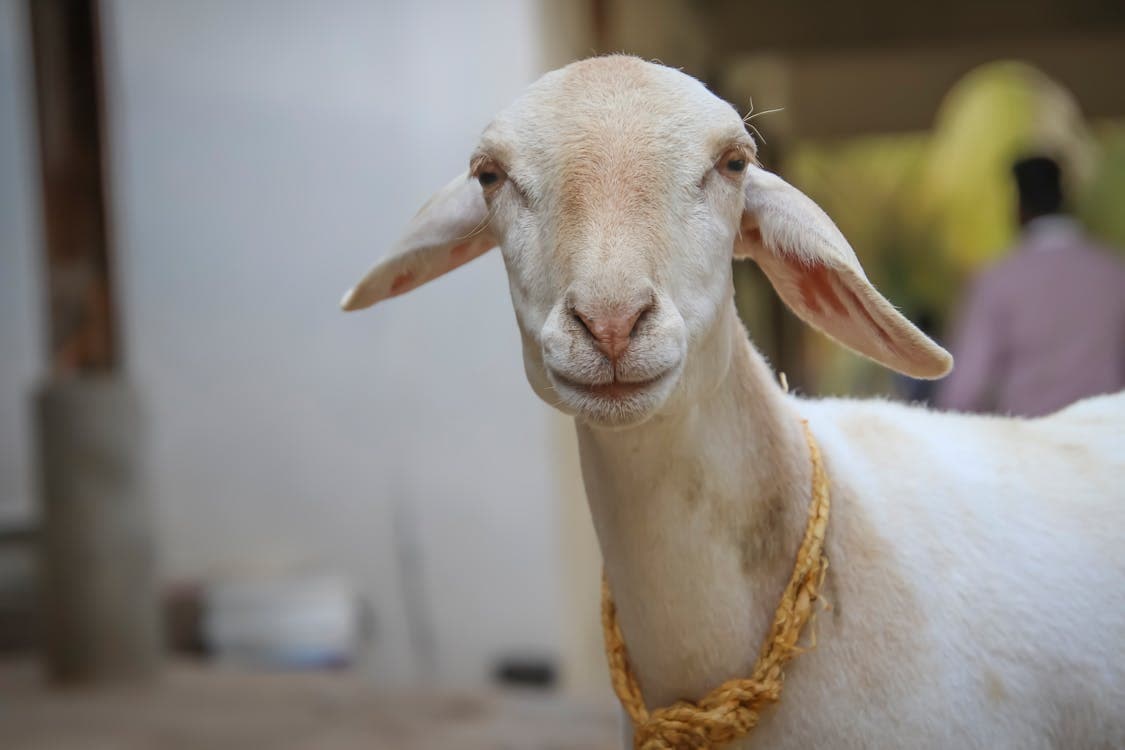
Choosing between two excellent dairy breeds comes down to what you value most in the milk pail and the barnyard. In the Nubian vs LaMancha goat debate, the Nubian is the better pick if you want rich, high-butterfat milk and a charismatic, vocal personality, while the LaMancha wins if you want a quiet, steady, easy-going milker with reliably high volume and a famously calm temperament. Both are full-sized, standard dairy goats that thrive on small homesteads and larger farms alike, so neither is a wrong answer for most beginners.
Key takeaways:
- Nubians produce milk with the highest butterfat of the major dairy breeds, have long pendulous ears, and are notably loud and talkative.
- LaManchas are prized for steady volume, gentle temperament, and very quiet behavior, plus their unmistakable tiny "gopher" or "elf" ears.
- Pick the Nubian for flavor and cheese-making; pick the LaMancha for calm handling, quiet neighbors, and consistent production.
Nubian vs LaMancha Goat: Side-by-Side Comparison
The table below summarizes the practical differences a prospective owner cares about most. Figures are general ranges for healthy, well-managed does and vary by individual, line, feed, and stage of lactation.
| Feature | Nubian | LaMancha |
|---|---|---|
| Origin | Developed in England from African and Indian stock | Developed in the United States (Oregon) |
| Body size (doe) | Roughly 135 lb and up; tall, proud frame | Roughly 130 lb and up; solid, sturdy frame |
| Milk volume | Moderate (lower than the Swiss breeds, often around 0.5–1.5 gal/day) | High and steady (often around 1–2 gal/day) |
| Butterfat content | Highest of the major dairy breeds (often 4–5%+) | Moderate to high (often 3.5–4%+) |
| Milk flavor | Rich, sweet, creamy | Sweet, clean, well-balanced |
| Ears | Long, wide, pendulous ("airplane" ears) | Tiny "gopher" or "elf" ears (a breed hallmark) |
| Noise level | Loud and very vocal | Quiet and reserved |
| Temperament | Affectionate, dramatic, attention-seeking | Calm, gentle, easygoing |
| Climate tolerance | Excellent heat tolerance | Adaptable, handles a range of climates |
| Best for | Cheese, soap, rich milk, personality | Quiet milking, steady volume, calm handling |
For a wider look at how these two stack up against Saanens, Alpines, and Nigerian Dwarfs, see our roundup of the best dairy goat breeds.
Milk: Volume vs Butterfat
The single biggest difference between these breeds is what comes out of the pail, and it splits cleanly into quantity versus quality.
Nubian milk
Nubians are the rich-milk specialists of the dairy world. Their milk typically carries the highest butterfat of any major dairy breed, often in the 4–5% range or higher, along with high protein. That richness translates directly into more cheese and a creamier, sweeter glass of milk. The trade-off is volume: a Nubian generally gives less total milk per day than the high-output Swiss-type breeds, so you are paying for cream rather than gallons.
If your goal is making chèvre, hard cheeses, or goat milk soap, that extra butterfat is a real advantage because you get more solids per pail. Many homesteaders keep Nubians specifically for this reason.
LaMancha milk
LaManchas hit a sweet spot that many small dairies love. They give a strong, steady volume, frequently more than a Nubian, with butterfat that is still respectable, often in the 3.5–4% range. Their milk is known for a clean, sweet, well-balanced flavor that drinks beautifully fresh.
Just as important, LaManchas are famous for long, persistent lactations and a calm milking attitude that makes daily chores easier. If your priority is filling the fridge for a family or building a small milk operation, that consistency matters. To understand how lactation, feeding, and routine all come together, read our guide to raising goats for milk.
Remember that diet drives both volume and butterfat. A good forage base plus the right minerals and supplements and steady access to clean water will do more for your milk than breed choice alone.
The Ears: How to Tell Them Apart at a Glance
You will never confuse these two breeds once you have seen them.
Nubians have long, wide, pendulous ears that hang well below the jaw and flare out, sometimes called "airplane ears." Combined with their distinctive Roman (convex) nose, the look is unmistakable and is a big part of their fan-favorite appeal.
LaManchas are the opposite extreme. The breed is defined by its tiny external ears, which come in two recognized types:
- Gopher ears: essentially no visible ear, up to about an inch of skin with little or no cartilage. Only gopher-eared bucks can be registered in many programs.
- Elf ears: a slightly larger ear, up to roughly two inches, with some cartilage and a turned-up or turned-down end.
Despite the small ears, LaManchas hear perfectly well. The tiny ears are a genetic breed trait, not a defect or a sign of a problem. New owners are sometimes startled by the look, but it is completely normal.
Noise Level: A Make-or-Break Factor
If you have close neighbors, this section may decide the whole question for you.
Nubians are loud. They are one of the most vocal goat breeds, with a strong, carrying bleat, and they tend to "talk" often, especially around feeding time, separation, or simply to get your attention. Many owners find it endearing; suburban or close-quarters keepers sometimes find it a real problem.
LaManchas, by contrast, are among the quietest dairy breeds. They are reserved and tend to stay calm and silent unless something is genuinely wrong, which actually makes their occasional vocalizing a useful signal that something needs checking. For a backyard homestead near other houses, or for anyone who values a peaceful barnyard, the LaMancha's quiet nature is a major selling point.
Temperament and Handling
Both breeds are friendly and people-oriented, but their personalities differ.
Nubians are affectionate and dramatic. They crave attention, form strong bonds with their keepers, and have a reputation for being a bit stubborn and theatrical. They are entertaining and full of character, though that same intensity can make a pushy individual a handful.
LaManchas are widely regarded as one of the most level-headed dairy breeds. They are gentle, patient, tolerant of handling, and adapt well to routine, which makes them excellent for first-time owners, children, and anyone milking by hand. A calm doe who stands quietly on the stand is a gift every morning, and LaManchas earn that reputation honestly. If you are still mapping out your routine, our walkthrough on how to milk a goat pairs naturally with a calm breed like this.
Whichever breed you choose, learning the basics of goat behavior will make daily life smoother and help you spot trouble early.
Size, Climate, and General Care
Both Nubians and LaManchas are full-sized standard dairy goats, and their day-to-day care needs are very similar.
Size
Both are large breeds. Does of either breed commonly weigh from around 130 pounds upward, with bucks considerably heavier. Nubians often look taller and more upright thanks to their leggy, proud build, while LaManchas tend to read as solid and sturdy. Plan housing, fencing, and feeders for full-sized goats with either breed.
Climate tolerance
Nubians stand out for heat tolerance. Their African heritage shows in how well they handle hot, humid weather, which makes them a strong choice for southern and warm-climate homesteads. LaManchas are highly adaptable and do well across a wide range of climates, including cold regions, as long as they have dry, draft-free shelter.
Neither breed enjoys cold rain, wind, or damp bedding. Both need solid shelter and seasonal management; review our advice on caring for goats in summer and preparing goats for winter to keep either breed comfortable year-round.
Shared care basics
Regardless of breed, both need:
- A forage-first diet, since the rumen depends on long-fiber roughage to function.
- Free-choice loose minerals and clean water at all times.
- Routine hoof trimming, parasite monitoring, and a sound vaccination and deworming plan worked out with your vet.
- Secure fencing, because both breeds are curious and capable escape artists.
Before you bring any goat home, it helps to read a broader primer like our ultimate guide to raising goats.
Which Should You Choose? Recommendations by Use-Case
There is no universally "better" breed here, only the better fit for your goals. Match yourself to the scenario below.
Choose a Nubian if you want:
- The richest milk for cheese, soap, and butter. Their high butterfat means more solids per gallon.
- Maximum heat tolerance. Ideal for hot, humid, southern climates.
- A goat with big personality. Affectionate, expressive, and full of character.
- You and your neighbors do not mind noise, and you have a bit of acreage between you.
Choose a LaMancha if you want:
- Steady, high-volume milk for a family or a small commercial operation.
- A quiet herd. Crucial for suburban lots and close neighbors.
- The calmest, most beginner-friendly temperament for easy hand-milking and kid-friendly handling.
- A versatile, adaptable goat that handles varied climates with simple shelter.
Still unsure?
If you cannot decide, the LaMancha is the safer default for most first-time owners because its quiet, even temperament forgives early mistakes and makes daily milking pleasant. Choose the Nubian when milk richness and personality are the whole point and noise is not a dealbreaker. For a structured way to weigh your options, our guide on how to choose goat breeds and the side-by-side goat breeds chart can help you finalize the decision.
Frequently Asked Questions
Which produces more milk, a Nubian or a LaMancha?
LaManchas generally produce more total milk per day with long, steady lactations, while Nubians produce less volume but make up for it with the highest butterfat of the major dairy breeds. If gallons matter most, lean LaMancha; if cream and richness matter most, lean Nubian.
Are LaMancha goats really born with no ears?
LaManchas are born with very small external ears, not none. The "gopher" type has almost no visible ear, and the slightly larger "elf" type has a small ear with some cartilage. Their hearing is completely normal; the tiny ears are simply a defining breed trait.
Are Nubian goats really that loud?
Yes. Nubians are one of the most vocal dairy breeds and tend to bleat frequently and loudly, especially around feeding and when they want attention. If you have close neighbors or want a quiet barnyard, this is the most important difference to consider.
Which breed is better for a beginner?
The LaMancha is usually the easier first goat thanks to its calm, gentle, low-noise temperament and consistent milking. Nubians are also a fine beginner breed if you enjoy a more expressive, hands-on personality and do not mind the noise. Both are forgiving compared with flightier breeds.
Can you crossbreed Nubians and LaManchas?
Yes, the two are commonly crossed, and many owners do so to blend the Nubian's butterfat and flavor with the LaMancha's volume, calm temperament, and quietness. Crossbred kids will not be registrable as purebreds, but they can make excellent, productive home dairy goats.
Final Thoughts
The Nubian vs LaMancha goat decision really comes down to two questions: do you want the richest milk and the most personality, or the quietest, calmest, most consistent milker? Nubians reward you with high-butterfat milk, striking pendulous ears, and an expressive nature, at the cost of being loud. LaManchas offer steady volume, an unmistakable elfin look, and one of the gentlest temperaments in the dairy world.
Either breed will serve a homestead well with good forage, clean water, secure fencing, and routine care. When in doubt, visit a few breeders, handle the animals, and listen to a herd in person, the right choice often becomes obvious the moment a calm LaMancha leans into you or a chatty Nubian starts a conversation.

About Dr. Elma K. Johnson
Expert farmers and veterinarians with over 20 years of experience in goat farming and animal husbandry.
Related Articles
Boer Goat vs Kalahari Red: Meat Breed Comparison
Boer goat vs Kalahari Red compared: appearance, growth rate, muscling, heat and parasite resistance, mothering, and best use. Find the right meat breed.